
UV Flatbed Printers: How Professional Sign Shops Create Window Decals and Rigid Substrate Graphics That Last
UV flatbed printing delivers vibrant, durable graphics on virtually any flat material—from window films to rigid metal panels—with instant curing and no lamination required.
Key takeaways
- UV flatbed printers cure ink instantly with UV-LED lamps, eliminating drying time and enabling same-day production.
- Direct-to-substrate printing works on acrylic, aluminum, PVC, wood, glass, and materials up to 4 inches thick.
- UV-cured inks are scratch-resistant and maintain color vibrancy for 3+ years outdoors without lamination.
- White ink capability enables vibrant printing on transparent and dark substrates for window graphics and signage.
- Professional systems produce up to 2,700+ square feet per hour at resolutions up to 1200 dpi.
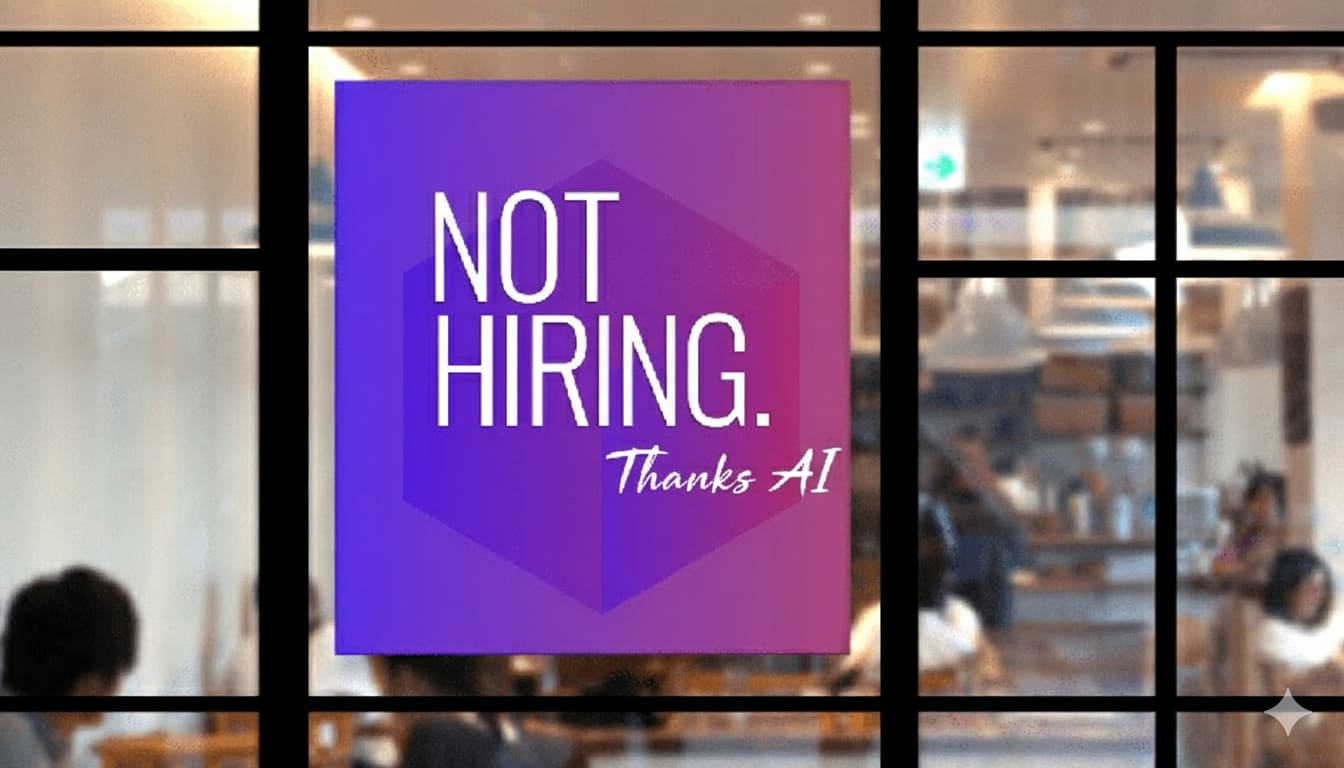
UV flatbed printing represents a significant advancement in sign-making technology. Unlike roll-to-roll printers that require flexible media, flatbed printers accommodate rigid materials—enabling professional sign shops to print directly onto substrates like acrylic, aluminum, PVC, and wood without the traditional workflow of printing on vinyl and then mounting.
What is UV flatbed printing and how does it work?
The "UV" in UV flatbed printing refers to ultraviolet LED lamps that instantly cure specially formulated inks as they are deposited onto the substrate surface. As the printhead passes over the material, UV-LED lamps immediately cure each ink droplet, bonding it permanently to the surface.
This instant curing prevents ink from spreading or bleeding, resulting in razor-sharp details and vibrant colors. According to Roland DGA, UV inks are free of volatile organic compounds (VOCs) and do not release harmful fumes during the curing process—making them suitable for indoor environments immediately after production.
For sign shops, this means faster turnaround times, lower operating costs, and the ability to print on virtually any flat material without pre-treatment or post-processing.
What substrates can UV flatbed printers handle?
Professional UV flatbed systems excel at printing on rigid materials. The technology works with:
- Acrylic and polycarbonate – for lobby signs, donor walls, and architectural elements
- Aluminum and Dibond composite panels – for durable outdoor signage
- PVC sheets (Sintra, Komatex) – for lightweight indoor displays
- Wood and foam boards – for decorative and event signage
- Glass – for architectural and retail applications
- Clear vinyl and window film – for storefront window decals
According to EFI, their Pro 30f+ flatbed LED printer can handle materials up to 4 inches thick with a maximum printable area of 120 x 80 inches—accommodating standard 4x8-foot sheet goods commonly used in sign production.
Why does white ink matter for window graphics?
Window graphics represent one of the most popular applications for UV flatbed printing. The ability to print white ink underneath transparent colors creates effects impossible with traditional methods.
When printing on clear vinyl or directly on glass, the white ink serves as a backing layer that makes colors pop from both inside and outside the installation. This technique works equally well for vehicle windows, office partitions, and architectural glass installations.
Professional systems offer multi-layer printing—up to five layers in a single pass—enabling textured effects, raised graphics, and precise color registration for reverse-printed window graphics.
How durable are UV-printed graphics outdoors?
UV-cured inks are specifically formulated for outdoor longevity. The curing process creates a chemical bond between ink and substrate that resists environmental degradation.
The vast majority of outdoor wide-format print applications are designed to last for three years, which matches the expected lifespan of today's UV inks. For coastal environments or high-traffic areas, additional protective coatings can extend lifespan further.
Clear UV topcoats add gloss, texture, or anti-graffiti properties without compromising the dimensional stability of the substrate. This makes UV flatbed printing practical for permanent outdoor installations like building signage, parking lot graphics, and campus wayfinding systems where replacement costs and downtime must be minimized.
What production speeds can sign shops expect?
Speed improvements over traditional methods are significant. Production-level UV flatbed printers can produce over 2,700 square feet per hour while maintaining resolution up to 1200 dpi. Even at production-quality settings (around 580 square feet per hour), image quality remains sharp with precise dot placement for clean text and minimal overspray.
The instant curing eliminates drying time entirely, allowing finished aluminum signs and other graphics to ship the same day. This workflow efficiency translates to faster turnaround times for customers and higher throughput for sign shops.
What creative possibilities does UV flatbed printing enable?
UV flatbed printing unlocks creative possibilities that traditional methods cannot match:
- Multi-layer printing – build up ink layers in specific areas for raised textures and dimensional effects
- Spot varnish – create selective gloss or matte finishes within a single graphic
- Metallic inks – produce shimmer effects for luxury branding or attention-grabbing displays
- Variable data printing – print unique QR codes, serial numbers, or personalized messages across production runs without setup changes
The combination of speed, quality, and flexibility makes UV flatbed printing the practical solution for custom sign projects of any complexity.
What maintenance keeps UV flatbed printers running reliably?
Professional sign shops maintain UV flatbed printers through rigorous daily and weekly procedures. Daily maintenance includes printhead cleaning, nozzle checks, and test prints to ensure consistent output quality. Weekly calibration verifies color accuracy across the entire color gamut, ensuring brand colors remain consistent from job to job.
Quality control extends beyond the printer itself. Proper substrate preparation—including surface cleaning, degreasing, and flatness verification—ensures optimal ink adhesion and prevents defects. Test prints on new substrate types validate settings before production runs.
This attention to detail separates professional sign shops from budget operations, delivering consistent results that meet or exceed client expectations.
Ready to discuss your project?
Whether you need durable outdoor signage, eye-catching window graphics, or custom rigid substrate prints, UV flatbed technology delivers professional results. Start your project with SF Bay Signs to discuss your specific requirements and see what's possible for your business.