Unlocking the Potential of CNC Machining in Custom Signage
Computer-controlled precision meets custom fabrication—why CNC technology delivers superior results for dimensional lettering, routed signs, and complex designs.
Key takeaways
- CNC machining uses computer-controlled tools to cut, carve, and engrave sign materials with tolerances as tight as ±0.001 inches
- Compatible materials include wood, acrylic (PMMA), aluminum, PVC foam board, ACM panels, and composites
- Ideal for dimensional lettering, routed signs, engraved plaques, backlit signage, and multi-layered 3D designs
- CAD/CAM software workflow ensures exact design-to-production consistency across multiple signs
- Post-processing options like flame polishing and powder coating enhance durability and appearance
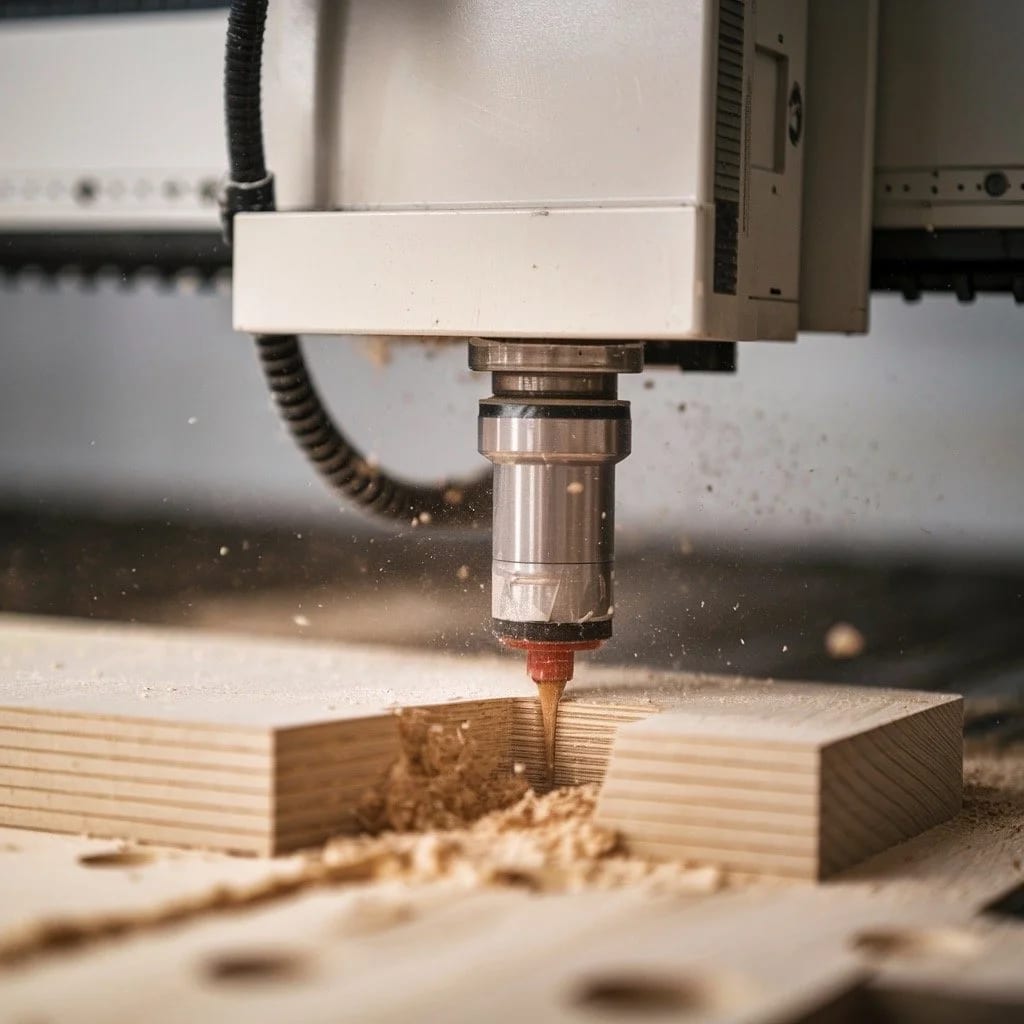
When your business needs signage that makes a lasting impression, the fabrication method matters as much as the design. CNC (Computer Numerical Control) machining has revolutionized custom sign production, delivering computer-controlled precision that transforms raw materials into dimensional lettering, carved logos, and complex designs with tolerances measured in thousandths of an inch.
For Bay Area businesses seeking professional-grade signage—from custom acrylic signs to carved wooden storefront displays—understanding CNC technology helps you make informed decisions about materials, design possibilities, and the investment required for signage that performs.
What Is CNC Machining and Why Does It Matter for Signs?
CNC machining is an automated manufacturing process where pre-programmed computer software dictates the movement of machine tools—routers, mills, drills, and lathes. Unlike manual fabrication, CNC machines follow exact digital instructions, producing identical results whether you need one sign or one hundred.
The process begins with CAD (Computer-Aided Design) software, where designers create detailed digital models specifying dimensions, materials, and cutting depths. This design file is then converted into machine-readable G-code using CAM (Computer-Aided Manufacturing) software. According to industry standards, modern CNC routers achieve positioning accuracy of ±0.003mm, ensuring that intricate details and complex geometries are reproduced exactly as designed.
For sign makers, this precision translates to:
- Clean, consistent edges on dimensional letters
- Exact depth control for carved and engraved elements
- Repeatable results across multi-piece installations
- Complex patterns impossible to achieve by hand
Which Materials Work Best for CNC-Machined Signage?
CNC machines handle virtually any material you can cut or carve, but certain substrates have become industry standards for professional signage:
Wood and High-Density Urethane (HDU)
Traditional carved signs often use cedar, redwood, or HDU foam. CNC routing ensures clean lines and consistent depth across the entire design. HDU (also called sign foam) machines beautifully, accepts paint well, and resists moisture—making it ideal for outdoor dimensional signs that mimic the look of carved wood without the maintenance concerns.
Acrylic and Plastics
Acrylic (polymethyl methacrylate or PMMA) offers exceptional optical clarity and durability for modern signage. CNC machines cut and engrave acrylic with precision, creating sleek lobby signs, illuminated displays, and point-of-purchase fixtures. The material comes in various colors, thicknesses, and finishes—including clear, frosted, and colored options for custom acrylic signs.
Aluminum and Metals
For maximum durability, custom aluminum signs deliver a premium look that withstands Bay Area coastal conditions. CNC machines create detailed cutouts, engraved text, and decorative patterns in aluminum, brass, and stainless steel. Powder coating adds weather resistance and color options to metal signs.
Composite Materials
Aluminum composite panels (ACM or Dibond) and PVC foam board offer strength with lighter weight. These materials machine cleanly and accept vinyl graphics or direct printing, making them versatile choices for everything from storefront signs to trade show displays.
What Types of Signs Benefit Most from CNC Fabrication?
Dimensional Lettering and Logos
Three-dimensional letters and logos create visual impact that flat signage cannot match. CNC-cut dimensional elements can be fabricated from acrylic, aluminum, HDU, or PVC, then painted, powder-coated, or finished with metallic leafing. These signs work beautifully for corporate lobbies, storefronts, and building identification.
Routed and Carved Signs
Classic routed signs—where designs are carved into solid substrates like wood or HDU—benefit enormously from CNC precision. The machine maintains consistent depth and clean edges throughout complex designs, producing polished results that would take skilled hand carvers significantly longer to achieve.
Engraved Signs and Plaques
For detailed work like memorial plaques, nameplates, awards, and wayfinding signs, CNC engraving offers unmatched clarity. The technology handles intricate serif fonts, fine decorative borders, and photographic engravings with equal precision.
Backlit and LED-Integrated Signage
Signs designed for illumination require precise cutouts to ensure light passes through or around design elements seamlessly. CNC machining creates the exact apertures needed for LED modules, light boxes, and halo-lit channel letters that stand out day and night.
ADA-Compliant Wayfinding Signs
Americans with Disabilities Act signage requires specific raised letter heights, Braille placement, and tactile elements. CNC machines produce ADA-compliant signs with the exact specifications required by code, ensuring accessibility without compromising design aesthetics.
How Does the CNC Sign-Making Process Work?
Design and Engineering
Every CNC project starts with digital design. Sign professionals use CAD software to create precise vector artwork, specifying material thickness, cutting depths, and tool paths. This design phase determines what the finished sign will look like and how the machine will produce it.
Material Selection and Preparation
Based on the sign's intended use (indoor vs. outdoor), aesthetic requirements, and budget, fabricators select appropriate materials. Substrates are cut to rough size and secured to the machine bed using vacuum tables, clamps, or adhesives.
Machining Operations
CNC machines perform multiple operations depending on the design:
- Profile cutting — cutting shapes from flat stock
- Pocket routing — removing material to create recessed areas
- V-carving — creating beveled edges and decorative cuts
- Engraving — producing fine surface details
- Drilling — creating mounting holes at precise locations
Finishing and Assembly
Raw machined parts typically require finishing. This may include sanding, priming, painting, powder coating, or applying protective clear coats. For multi-piece signs, assembly involves combining different components, adding mounting hardware, and quality inspection before delivery.
What Are the Advantages Over Traditional Methods?
Precision and Consistency
CNC machines produce identical results every time. For businesses needing multiple location signs, franchise signage programs, or replacement parts years later, the digital files ensure perfect matches regardless of when or where signs are produced.
Design Flexibility
Complex geometries, intricate patterns, and detailed artwork that would challenge hand fabrication become straightforward with CNC. Multi-axis machines (up to 5-axis capability) can create undercuts, compound curves, and sculptural elements impossible with traditional methods.
Production Speed
Once programmed, CNC machines work continuously without fatigue. Large orders that might take weeks of manual labor can be completed in days, with consistent quality throughout the production run.
Cost Efficiency for Custom Work
While hand-crafted signs carry artisan value, CNC technology makes custom signage more accessible. The automation reduces labor costs, minimizes material waste through optimized cutting layouts, and enables competitive pricing on detailed custom work.
Choosing the Right Fabrication Partner
Not all sign shops have equal CNC capabilities. When evaluating fabricators for your project, consider:
- Equipment capacity — machine bed size limits maximum sign dimensions
- Material expertise — experience with your chosen substrate matters
- Design services — can they optimize artwork for CNC production?
- Finishing capabilities — painting, powder coating, assembly on-site
- Installation services — proper professional installation ensures longevity
Bay Area businesses benefit from working with local fabricators who understand regional conditions—salt air, UV exposure, seismic requirements—and can recommend appropriate materials and mounting solutions.
Ready to Explore CNC-Fabricated Signage?
CNC machining has transformed what is possible in custom signage. From simple dimensional letters to complex architectural elements, computer-controlled precision delivers results that enhance your brand and stand up to real-world conditions.
Whether you need carved wooden storefront signs, precision-cut acrylic lobby displays, or durable aluminum exterior signage, understanding the technology helps you communicate effectively with fabricators and make informed decisions about your signage investment.
Start your custom sign project with SF Bay Signs. Our team combines CNC precision with decades of Bay Area signage experience to deliver signs that perform as good as they look.