
The Pros and Cons of Using LED Lighting in Signs
Everything you need to know about LED sign lighting—from energy savings and maintenance to design considerations for your Bay Area business.
Key takeaways
- LED signs consume 50–70% less electricity than traditional halogen, incandescent, or fluorescent alternatives.
- Commercial-grade LEDs can last 50,000–100,000 hours—potentially 10+ years of 24/7 operation with minimal maintenance.
- LEDs run cool, reducing fire risk and making them safer for indoor and outdoor installations.
- Higher upfront costs are offset by dramatically lower energy bills and reduced replacement frequency.
- LEDs offer superior design flexibility with programmable colors, dimming, and compact form factors.
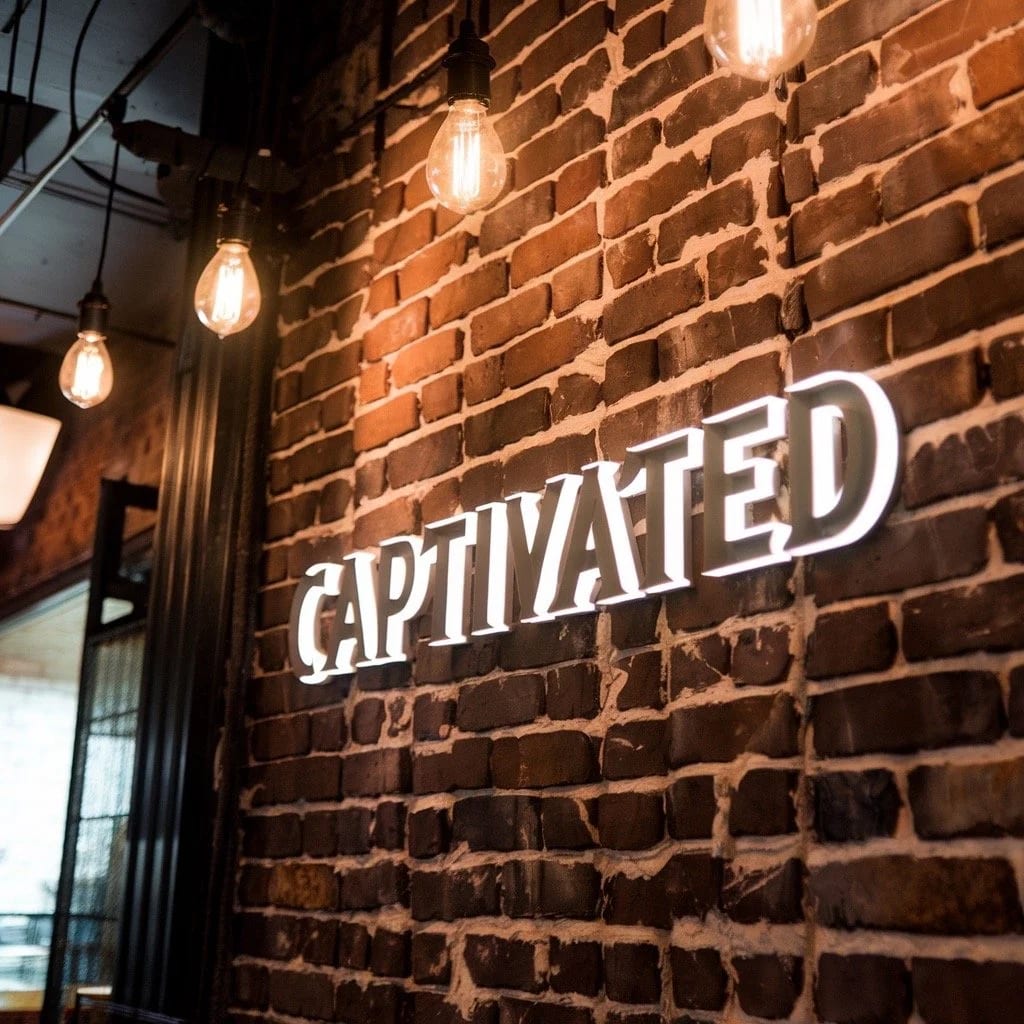
LED technology has transformed commercial signage over the past decade, and for good reason. From storefront channel letters to massive digital billboards, LEDs now dominate the illuminated sign market. But are they right for every application?
In this guide, we'll break down the advantages and disadvantages of LED sign lighting—with real data on energy savings, lifespan, and total cost of ownership—so you can make an informed decision for your Bay Area business.
What Makes LED Lighting Different from Traditional Sign Illumination?
Light-emitting diodes (LEDs) generate light through semiconductor technology, fundamentally different from the heated filaments in incandescent bulbs or the gas discharge in neon and fluorescent tubes.
This difference matters for signage because LEDs:
- Convert electricity to light more efficiently (less waste heat)
- Fit into smaller spaces, enabling sleeker sign designs
- Offer precise color control without filters or colored tubing
- Reach full brightness instantly—no warm-up period
According to Samsung's display technology insights, LED systems consume 50–70% less electricity than halogen, incandescent, or fluorescent alternatives while producing equivalent or superior brightness.
What Are the Main Advantages of LED Signs?
Energy Efficiency That Impacts Your Bottom Line
The energy savings from LED signage are substantial and measurable. A typical illuminated storefront sign running 12 hours daily can cost $200–$500 annually in electricity with fluorescent lighting. The same sign with LEDs? Often $80–$200.
ENERGY STAR's signage certification program confirms that certified LED displays are at least 4% more efficient than conventional alternatives—and many commercial LED signs exceed that benchmark significantly.
For Bay Area businesses facing some of the nation's highest electricity rates, this efficiency translates to real savings.
Extended Lifespan Reduces Maintenance Costs
LED longevity is perhaps the most compelling advantage for commercial applications. While fluorescent tubes might last 10,000–15,000 hours and neon can reach 30,000 hours under ideal conditions, commercial-grade LEDs routinely deliver 50,000–100,000 hours of operation.
What does that mean practically? A sign running 24/7:
- Fluorescent: Replacement every 1–2 years
- Neon: Replacement every 3–4 years
- LED: Replacement every 5–11 years
Beyond the component costs, consider the labor savings. Every maintenance call to replace tubes or repair neon involves technician time, potential business disruption, and sometimes equipment rental for elevated signs. LEDs dramatically reduce these interventions.
Safety Benefits from Cool Operation
LEDs produce very little heat compared to incandescent or halogen alternatives. This matters for:
- Fire safety: Reduced ignition risk, especially in signs with flammable components
- Touch safety: Signs remain cool enough to touch, important for accessible installations
- Material longevity: Less thermal stress on sign housings, acrylic faces, and mounting hardware
- HVAC loads: Indoor signs don't add significant heat to conditioned spaces
Design Flexibility for Creative Signage
LED technology opens design possibilities that weren't practical with traditional lighting:
- Compact form factors: LEDs fit into slim acrylic signs and channel letters impossible with fluorescent tubes
- Color programmability: RGB LEDs can display millions of colors, switched dynamically for promotions or branding
- Dimming capability: Precise brightness control for day/night operation or energy management
- Edge lighting: Creates elegant backlit acrylic effects with minimal hardware
What Are the Disadvantages of LED Signs?
Higher Initial Investment
LED signage typically costs 15–40% more upfront than fluorescent alternatives. A basic illuminated cabinet sign might run $800 with fluorescent, $1,000–$1,200 with LEDs.
However, this comparison requires context. When you factor in:
- Energy savings over the sign's life
- Reduced maintenance and replacement costs
- Longer overall lifespan
The total cost of ownership almost always favors LEDs for signs expected to operate more than 3–4 years.
Color Rendering Limitations
While LED color technology has improved dramatically, some applications still favor traditional lighting:
- Warm ambiance: Incandescent produces a continuous spectrum that some find more appealing for hospitality signage
- Specific Pantone matching: Custom brand colors may be easier to match with filtered fluorescent
- Vintage aesthetic: True neon's distinctive glow can't be perfectly replicated by LED "faux-neon" alternatives
That said, high-CRI (Color Rendering Index) LEDs now approach 95–98, making these limitations less significant than even five years ago.
Potential for Blue Light Concerns
Early LEDs had pronounced blue peaks in their spectral output, raising concerns about:
- Eye strain for close-viewing applications
- Sleep disruption from nighttime exposure
- Light pollution in residential areas
Modern "warm white" LEDs (2700K–3000K color temperature) and phosphor-converted designs have largely addressed these issues. For outdoor signs in mixed-use areas, warm-temperature LEDs are now standard practice.
Quality Variation in the Market
The LED sign market includes everything from premium commercial-grade components to budget alternatives of questionable reliability. Low-quality LEDs may suffer from:
- Color shift over time (blue tint becoming more pronounced)
- Premature failure of individual diodes
- Inadequate weatherproofing for outdoor use
- Poor thermal management shortening lifespan
Working with an experienced sign company—one that specifies commercial-grade components—avoids these pitfalls.
When Should You Choose LED Signs?
LED lighting makes sense for most commercial signage applications, but it's especially advantageous when:
- The sign runs extended hours: 12+ hours daily maximizes energy savings
- Access is difficult: Elevated or hard-to-reach signs benefit from LED longevity
- Multiple signs are involved: Cumulative savings multiply across locations
- Dynamic content is desired: RGB LEDs enable color changes and animations
- Space is limited: Slim profiles suit modern architectural styles
For Bay Area businesses, the region's high electricity costs and environmental consciousness make LED an easy choice. Many municipalities also offer rebates for energy-efficient commercial lighting upgrades.
What About LED Retrofits for Existing Signs?
If you have a functioning sign with fluorescent or incandescent illumination, retrofitting to LED is often more cost-effective than full replacement. A typical retrofit involves:
- Removing existing ballasts and tubes
- Installing LED modules or strips with appropriate drivers
- Upgrading wiring if needed for the new power requirements
- Testing and adjusting for even illumination
Retrofit costs typically run 30–50% of a new sign, with similar energy savings. For professional installation, we evaluate whether your existing sign structure is worth preserving or if replacement makes more sense.
Making the Right Choice for Your Business
LED technology has matured to the point where it's the default choice for most illuminated signage. The combination of energy efficiency, longevity, safety, and design flexibility outweighs the higher initial investment for signs expected to operate more than a few years.
The key is working with a sign company that understands both the technology and your specific requirements—balancing upfront costs against long-term value, specifying appropriate components for your environment, and ensuring proper installation for maximum lifespan.
Whether you're installing new illuminated aluminum signs, retrofitting existing fixtures, or exploring options for your first business sign, we can help you evaluate whether LED is the right choice for your project.