The Lasting Advantages of Aluminum in Signage
Aluminum has become the go-to material for outdoor signage. Here is why Bay Area businesses and homeowners choose aluminum signs for durability, customization, and sustainability.
Key takeaways
- Aluminum forms a self-healing oxide layer that protects against rust and corrosion—ideal for Bay Area coastal and urban environments.
- Aluminum is infinitely recyclable without quality loss, with 75% of all aluminum ever produced still in use today.
- Lightweight yet impact-resistant, aluminum signs are easier to install and more cost-effective long-term than steel or wood alternatives.
- Anodizing and powder-coating finishes allow full customization while extending sign lifespan to 10–20 years outdoors.
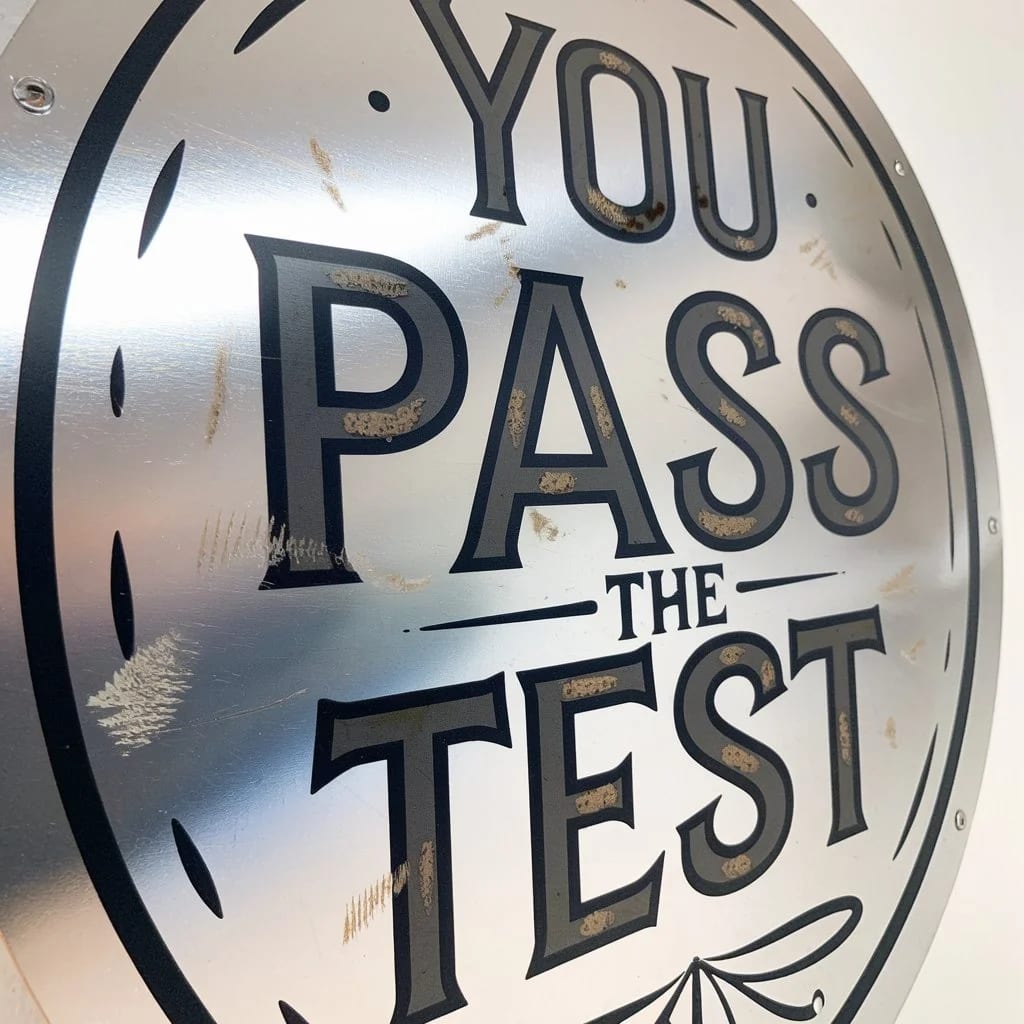
Aluminum has become the material of choice for custom business signs across the Bay Area—and for good reason. This lightweight metal combines weather resistance, design flexibility, and environmental sustainability in ways that wood, plastic, and steel simply cannot match.
Whether you need storefront signage in San Francisco, address markers in San Jose, or directional signs for a Palo Alto business park, aluminum delivers the durability and professional appearance that stands up to California's varied climate.
Why does aluminum resist rust and corrosion so well?
When aluminum contacts air, it forms a thin oxide layer that shields the metal from further oxidation. Unlike rust on steel, which flakes and spreads, aluminum's oxide layer is self-healing—if scratched, it restores itself within milliseconds as long as oxygen is present.
This natural protection makes aluminum ideal for outdoor signage in humid, rainy, or coastal environments. While steel signs in the Bay Area's marine air would need constant rust-prevention treatments, aluminum signs maintain their integrity year after year with minimal maintenance.
How does aluminum compare to other sign materials?
Each material has trade-offs, but aluminum consistently offers the best balance for outdoor signage:
- Wood looks traditional but warps, rots, and requires regular sealing—especially problematic in fog-prone areas.
- Plastic (PVC, acrylic) is affordable but becomes brittle and fades under UV exposure over time.
- Steel provides strength but is heavy, expensive to transport, and prone to rust without protective coatings.
- Aluminum combines light weight with steel-like durability, natural corrosion resistance, and full design flexibility.
For most Bay Area applications—from coastal storefronts to industrial facilities—aluminum delivers the best long-term value.
What customization options does aluminum offer?
Aluminum's versatility extends well beyond durability. The material accepts virtually any finish, color, or design treatment:
- Anodizing thickens the natural oxide layer, creating a durable surface that can be dyed in various colors while maintaining excellent corrosion resistance.
- Powder coating provides vibrant colors and textures—matte, glossy, metallic, or textured finishes are all possible.
- Brushed and polished finishes create sleek, modern looks ideal for corporate branding and architectural signage.
- Digital printing allows full-color graphics, logos, and photographs directly on the aluminum surface.
Aluminum can be cut into virtually any shape, from simple rectangles to intricate custom logos, using CNC routing or laser cutting. This makes it suitable for everything from basic address numbers to complex dimensional lettering.
Why is aluminum easier to install than alternatives?
Weight matters when mounting signs—especially for large installations or signs going on walls, poles, or posts. Aluminum weighs roughly one-third as much as steel, which translates to:
- Lower shipping costs
- Simpler mounting hardware requirements
- Safer handling during professional installation
- Less structural stress on mounting surfaces
Despite being lightweight, aluminum offers excellent impact resistance. Signs are less likely to dent or crack when struck by debris, hail, or accidental contact—contributing to their long service life.
Is aluminum an eco-friendly choice for signage?
Aluminum is one of the most sustainable materials available for signage. According to the Aluminum Association, the metal can be recycled indefinitely without losing quality—and recycling aluminum requires only about 5% of the energy needed to produce new aluminum from ore.
The industry data is striking: roughly 75% of all aluminum ever produced is still in use today. When an aluminum sign eventually reaches end-of-life, it can be melted down and reformed into new products without degradation. Compare that to plastic signs, which degrade during recycling and eventually become unrecyclable.
For Bay Area businesses focused on sustainability, aluminum signage aligns with environmental values without compromising on performance.
What about cost—is aluminum worth the investment?
Aluminum signs typically cost more upfront than plastic or wood alternatives. However, the total cost of ownership tells a different story:
- Longevity: A properly finished aluminum sign can last 10–20+ years outdoors, while plastic may need replacement in 3–5 years.
- Maintenance: Aluminum requires only occasional cleaning. No repainting, sealing, or rust treatments.
- Replacement costs: Fewer replacements mean fewer design, production, and installation expenses over time.
When you factor in durability and low maintenance, aluminum often proves more economical than cheaper materials that need frequent replacement.
Where are aluminum signs commonly used?
Aluminum's combination of durability, appearance, and customization makes it suitable for a wide range of applications:
- Commercial signage: Storefront signs, building identification, directional signage, and corporate branding
- Residential use: Address numbers, property markers, and decorative signs
- Government and regulatory: Road signs, safety signs, and wayfinding—where reflectivity and long-term legibility are critical
- Industrial facilities: Warehouse identification, safety compliance signs, and equipment labeling
National parks, airports, and municipal agencies rely on aluminum signage precisely because it performs reliably across decades and weather conditions.
Ready to explore aluminum signage for your project?
If you are considering custom aluminum signs for your Bay Area business, home, or facility, the material's combination of durability, aesthetics, and sustainability makes it an excellent choice for most outdoor applications.
Start your project with SF Bay Signs to discuss material options, finishes, and design possibilities. Our team can help you choose the right thickness, finish, and mounting approach for your specific location and needs.