
The Art of Font Selection in Custom Sign Painting
Typography is one of the most powerful tools in custom sign design. The right font can communicate authority, approachability, or creativity—before a single word is read.
Key takeaways
- Font psychology directly influences how customers perceive your brand—serif fonts convey trust, sans-serif feels modern, and script adds elegance.
- For outdoor signs, use 1 inch of letter height for every 10 feet of viewing distance to ensure readability.
- High contrast between text and background colors dramatically improves sign visibility in all lighting conditions.
- Limit your sign to two fonts maximum—one for headlines and one for body text—to avoid visual clutter.
- Working with a professional sign maker helps match font choices to your brand values and target audience.
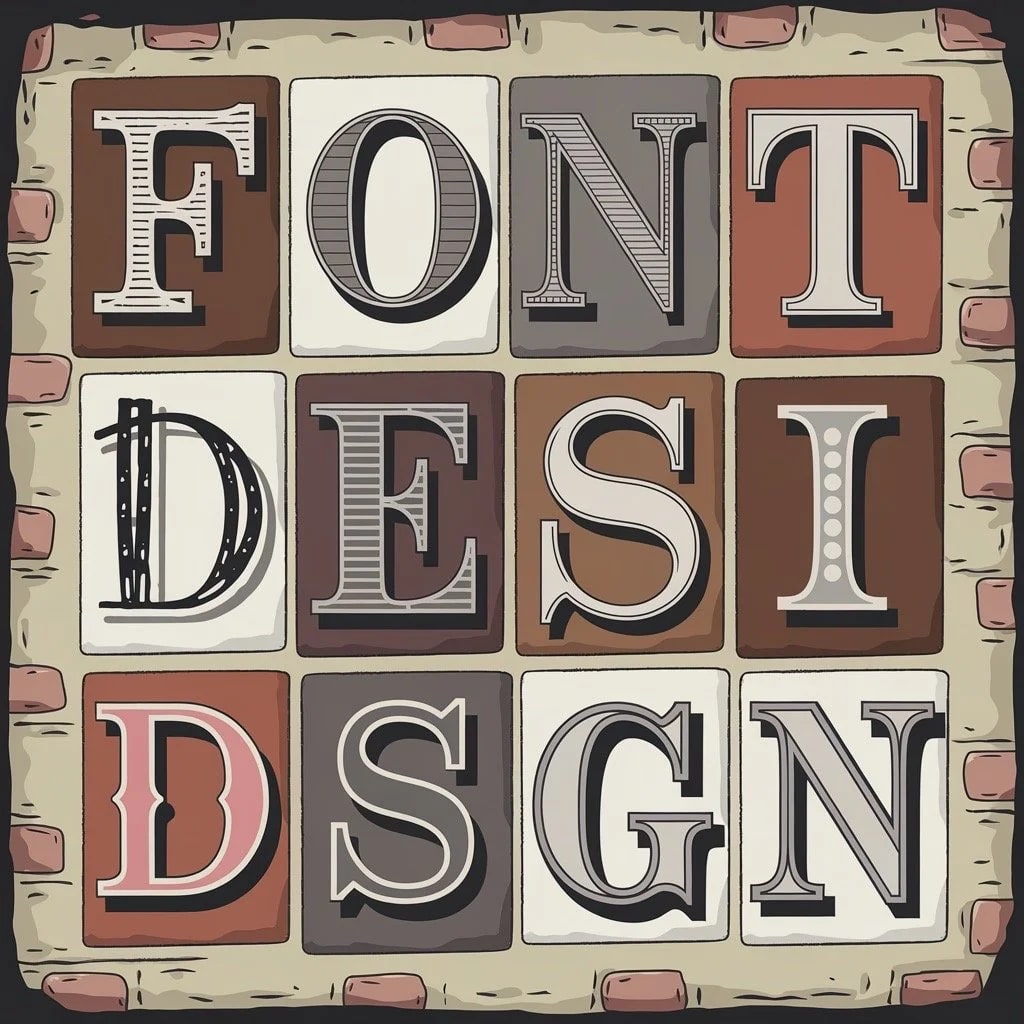
Typography shapes how people experience your sign before they consciously read it. The curves of a letter, the weight of a stroke, the spacing between characters—these details influence whether someone perceives your business as trustworthy, modern, playful, or premium. For Bay Area businesses investing in custom signage, understanding font selection is essential to getting the most from that investment.
Why does font selection matter for business signs?
Fonts are more than visual decoration—they are psychological triggers. According to Adobe's research on font psychology, different typefaces affect thoughts, feelings, and behaviors in the subconscious mind. When your sign's font matches your brand's personality, it creates an instant, intuitive connection with potential customers.
Consider two restaurants with identical menus. One uses a clean sans-serif font on its signage; the other uses an ornate script. Without reading a word, passersby form different expectations about price point, atmosphere, and cuisine. That is the power of typography in action.
How do different font styles communicate?
Each font category carries distinct psychological associations that can reinforce—or undermine—your brand message:
Serif fonts: Trust and tradition
Serif fonts feature small strokes (serifs) at the ends of letters. They have been used in printed materials for centuries, which gives them associations with tradition, stability, and authority. Banks, law firms, and educational institutions often use serif fonts like Georgia or Times New Roman because they project reliability and trustworthiness.
Sans-serif fonts: Modern and clean
Sans-serif fonts lack the decorative strokes, creating a streamlined appearance. According to Adobe, they are associated with straightforwardness, cleanliness, and clarity. Tech companies, healthcare facilities, and modern retail brands frequently choose fonts like Helvetica or Arial for their contemporary feel.
Script fonts: Elegant and personal
Script fonts mimic handwriting, conveying elegance, creativity, and a personal touch. They work well for boutiques, wedding services, spas, and businesses emphasizing craftsmanship. However, script fonts should be used sparingly—they are harder to read at distance, making them better suited for accent text than primary messaging.
Decorative fonts: Distinctive but limited
Decorative and novelty fonts are designed to stand out with unique visual characteristics. They can be effective for specific themes or creating memorable headlines, but their stylized nature often compromises readability. Use them only for short text and headlines—never for essential information.
What makes a sign readable from a distance?
Beautiful typography means nothing if customers cannot read your sign. According to industry guidelines from Signs.com, readability depends on four key factors:
Letter height and viewing distance
The standard rule is 1 inch of letter height for every 10 feet of viewing distance. If your storefront sign needs to be readable from 100 feet away—about the width of a typical parking lot—your primary text should be at least 10 inches tall. For roadside signs viewed by drivers, increase this ratio to account for movement and limited viewing time.
Color contrast
High contrast between text and background dramatically improves visibility. The most readable combinations pair light backgrounds with dark text (or vice versa). Black on white offers maximum contrast, while combinations like dark blue on yellow or white on dark green provide strong visibility in various lighting conditions. Avoid pairing similar tones, such as navy on black or pale yellow on white.
Font weight and style
Bold, simple fonts outperform thin or decorative styles at distance. Serif and sans-serif fonts maintain legibility far better than script or novelty fonts. When choosing between styles, prioritize clean letterforms with distinct character shapes—this helps viewers quickly distinguish similar letters like "c" and "e" or "r" and "n."
Environmental factors
Consider where your sign will be displayed. Signs in direct sunlight need darker colors to remain visible; pastel and bright colors can wash out. Signs below or above eye level require larger letters than those positioned straight ahead. And signs perpendicular to foot traffic are easier to read than those parallel to the walkway.
How do you match fonts to brand identity?
The most effective sign typography aligns with your overall brand strategy. Start by identifying your brand's core attributes—are you traditional or innovative? Playful or serious? Premium or accessible? Then select fonts that reinforce those qualities.
A sustainable business might choose a clean sans-serif to project modernity and forward thinking. A heritage brand might select a classic serif to emphasize longevity and craftsmanship. A children's entertainment venue might incorporate a playful decorative font—while keeping essential information in a readable standard font.
When in doubt, limit your sign to two fonts: one for headlines and one for supporting text. This creates visual hierarchy without the clutter that comes from mixing too many typefaces.
What about custom fonts versus standard fonts?
Custom-designed fonts can set your brand apart with a completely unique visual identity. Major brands often invest in proprietary typefaces that no competitor can replicate. However, custom font development requires significant time and budget—typically reserved for larger companies or comprehensive rebranding efforts.
For most businesses, the vast library of existing fonts offers more than enough options. A skilled sign designer can identify typefaces that match your brand while ensuring they perform well in your specific application—whether that is a dimensional acrylic sign for your lobby or a grand opening banner for a new location.
How can you avoid common font mistakes?
Even well-intentioned sign projects can go wrong with poor typography choices. Watch out for these frequent errors:
- Too many fonts: Using more than two typefaces creates visual chaos. Stick to one headline font and one body font.
- Prioritizing style over readability: A beautiful script font means nothing if customers cannot read your business name from across the street.
- Ignoring viewing distance: Text that looks perfect on a computer screen may be illegible on the finished sign viewed from 50 feet away.
- Mismatched tone: A playful font on a law firm sign—or a formal serif on a skateboard shop—creates cognitive dissonance that undermines trust.
- Poor color contrast: Subtle, artistic color combinations can be impossible to read in real-world conditions.
Ready to create signage that communicates your brand?
Font selection is one of many decisions that shape how your sign performs in the real world. At SF Bay Signs, we help San Francisco Bay Area businesses create custom signage that communicates clearly and reinforces brand identity. Our team can guide you through typography choices, material selection, and professional installation—ensuring your investment delivers lasting results.
Start your project today, or contact us to discuss your signage needs.