
Paint Adhesion on ACM Panels: Surface Prep Techniques for Bay Area Marine Environments
Master surface preparation for ACM panel painting in coastal California—from fog belt to salt air.
Key takeaways
- Clean ACM panels with 70% isopropyl alcohol only—avoid soaps and solvents that leave residue
- Scuff the coated surface with 360-grit sandpaper without grinding through to bare aluminum
- Monitor temperature, humidity, and dew point before painting in Bay Area microclimates
- Use marine-rated primers designed for salt air and fog exposure
- Allow panels to acclimate to room temperature before surface prep begins
- Never exceed 175°F (80°C) during any prep or curing process
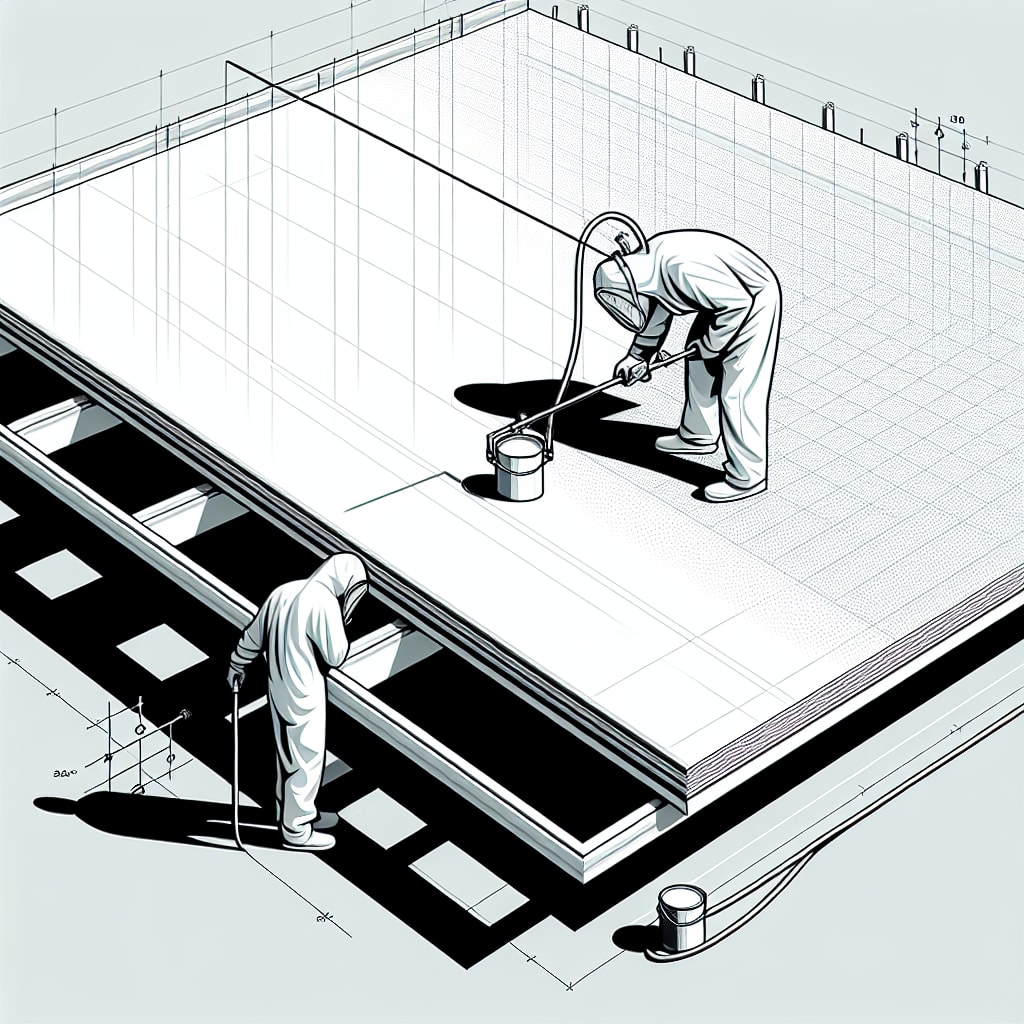
Painting on Aluminum Composite Material (ACM) panels in the Bay Area presents unique challenges. The marine climate—with its salt-laden fog, temperature swings, and constant moisture—demands precise surface preparation to achieve lasting paint adhesion. Whether you are creating Dibond signage for a San Francisco storefront or a large-format mural near the Oakland waterfront, proper prep work is the foundation of durability.
Why Does Surface Preparation Matter for ACM Panels?
ACM panels consist of two thin aluminum sheets bonded to a solid polyethylene or honeycomb core. The factory-applied coating on the paintable side provides a smooth, rigid surface—but it also means paint cannot grip bare metal. Without proper cleaning, scuffing, and priming, coatings will eventually peel, especially when exposed to salt air and fog cycles common from Sausalito to Santa Cruz.
According to Natural Pigments, a leading authority on artist materials, the key to ACM adhesion is removing contaminants and creating mechanical "tooth" for primers to grip—without damaging the protective coating.
What Are the Essential Steps for Preparing ACM Panels?
Follow this sequence for reliable results in coastal California conditions:
- Remove protective film slowly to avoid static build-up that attracts dust particles.
- Clean with 70% isopropyl alcohol using a lint-free, non-colored cloth. Avoid soaps, solvents, or silicone-containing cleaners—they leave residue that blocks adhesion.
- Scuff the coated side with 360-grit sandpaper to create mechanical tooth. Do not grind through the coating to expose bare aluminum.
- Wipe away dust with a fresh cloth moistened with isopropyl alcohol.
- Apply a compatible primer—acrylic primers work for most media; oil/alkyd primers suit oil-based paints.
- Allow full cure time before applying finish coats.
For professional sign installations, our installation team follows these protocols on every ACM project across the Bay Area.
What Materials Work Best for Bay Area Marine Conditions?
Coastal sign professionals in California rely on these supplies:
- 70% isopropyl alcohol (the only recommended cleaning agent)
- 360-grit sandpaper or non-woven abrasive pads
- Marine-rated primers formulated for salt air exposure
- Lint-free, non-colored cloths (colored dyes can transfer)
- PPE: nitrile gloves, safety glasses, and adequate ventilation
- Environmental monitoring tools: thermometer, hygrometer, dew point calculator
Foam rollers—not nap rollers—produce the smoothest primer application on ACM, according to Muddy Colors, a respected resource for professional painters.
How Do Bay Area Microclimates Affect ACM Prep Timing?
The Bay Area is infamous for its microclimates. Fog in the Sunset District, sun in the Mission, wind on the Peninsula—all within a few miles. For ACM surface prep, monitor these conditions before starting work:
- Ambient temperature: Ideally 50–85°F (10–29°C)
- Surface temperature: Panels stored outdoors in cold conditions must acclimate to room temperature first
- Relative humidity: Below 85% is preferred; fog days may require indoor prep
- Dew point: Surface temp should be at least 5°F above dew point to prevent condensation
- Wind: Avoid outdoor prep on windy days—airborne particles contaminate surfaces
Early morning fog and afternoon wind patterns require project scheduling flexibility. Many Bay Area sign shops complete surface prep indoors, then transport primed panels for on-site installation.
What Professional Standards Should You Follow?
For commercial signage and murals, adhere to these best practices:
- Maintain ventilation during all solvent and primer applications
- Follow manufacturer specs for primers, paints, and ACM panels
- Document environmental conditions (temperature, humidity, time) for quality control
- Never exceed 175°F (80°C) during prep, priming, or curing
- Use only the coated side of the panel for painting—the reverse side lacks the prepared surface
If you are planning a custom aluminum sign project that requires ACM panels, professional surface preparation ensures your investment lasts for years in the Bay Area climate.
How Do You Maintain Painted ACM Panels Over Time?
Even with perfect surface prep, ongoing maintenance extends coating life in marine environments:
- Quarterly visual inspections for chips, peeling, or adhesion failure
- Prompt touch-ups on any exposed areas before corrosion starts
- Regular cleaning with mild soap and water (not solvents) to remove salt deposits
- Documentation of maintenance activities for warranty and quality assurance
What Safety and Environmental Rules Apply?
Bay Area signage projects must comply with California regulations:
- Bay Area Air Quality Management District (BAAQMD) rules on VOC emissions
- Proper disposal of cleaning cloths, primer containers, and sanding dust
- Required PPE including gloves, eye protection, and respiratory protection when spraying
- Environmental protection to prevent runoff during outdoor cleaning
Following these protocols protects both workers and the environment while delivering durable, professional results.
Ready to Start Your ACM Sign Project?
Proper surface preparation is the foundation of every successful ACM panel paint job—especially in the Bay Area's demanding marine climate. Whether you are a business owner planning storefront signage, an artist creating a large-format mural, or a sign professional refining your process, these techniques will help you achieve lasting adhesion.
Contact SF Bay Signs to discuss your next ACM panel project. Our team handles everything from surface prep to final installation across San Francisco, Oakland, San Jose, and the entire Bay Area.