
LED Module Spacing Calculations: A Guide to Perfect Channel Letter Illumination
Proper LED module spacing is the difference between channel letters that glow evenly and ones with hot spots or dark patches. This guide covers the calculations, materials, and techniques Bay Area sign professionals use to achieve flawless illumination.
Key takeaways
- LED spacing depends on letter depth: 4" depth uses 4-6" spacing, 5" depth uses 6-8", and 6" depth uses 8-10".
- Face material matters—white acrylic allows wider spacing while colored acrylic needs modules closer together.
- Multi-stroke letters require tighter spacing due to reduced internal reflection from side walls.
- Shallow channel letters (2-5") need specialized low-profile modules at 3.5-6 modules per foot.
- Always test illumination before final installation to catch hot spots or dark areas early.
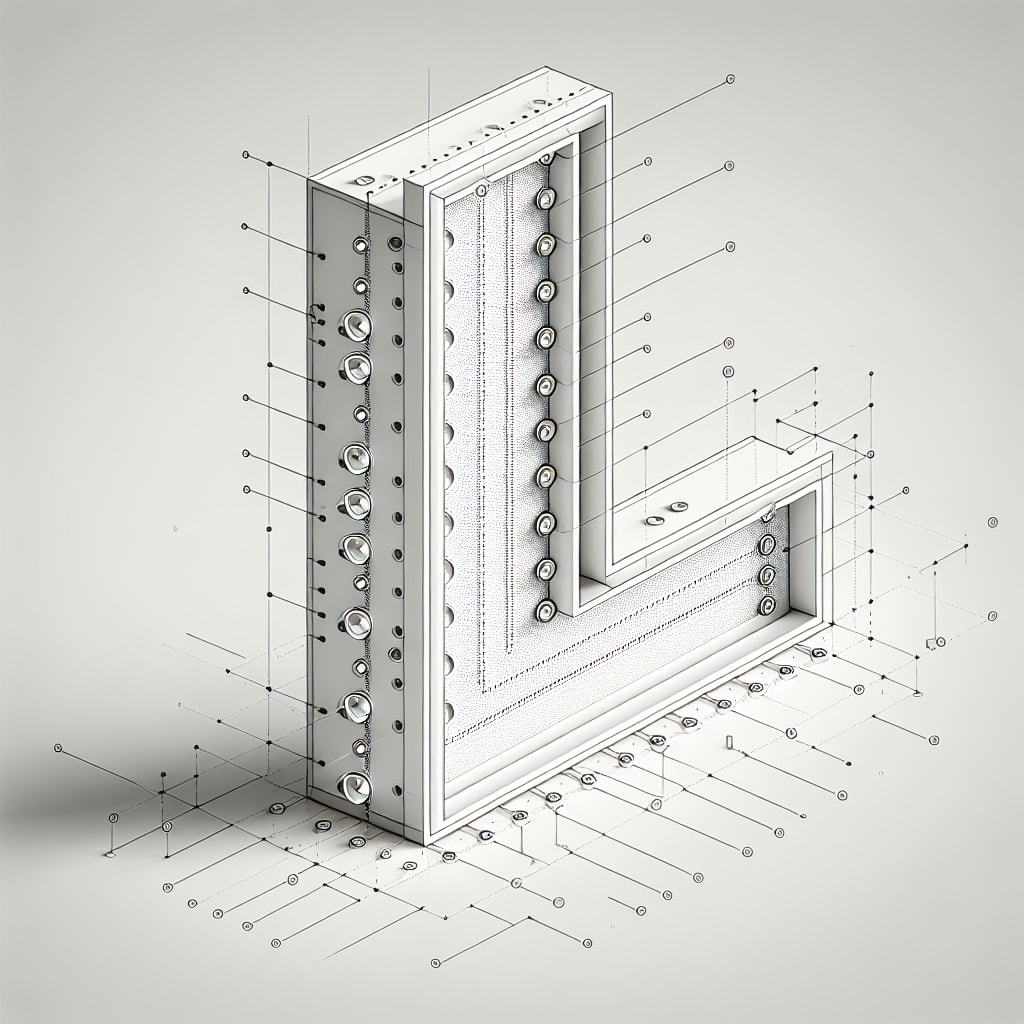
Getting LED module spacing right is one of the most technical—and most visible—aspects of building illuminated channel letters. Space modules too close and you waste materials and create hot spots. Space them too far apart and you get uneven illumination with dark patches between the letters.
This guide breaks down the calculations, material considerations, and installation techniques that Bay Area sign professionals use to achieve consistent, professional-grade illumination every time. Whether you are fabricating custom aluminum signs or building illuminated channel letters for a storefront, these principles apply.
Why does LED module spacing matter?
The spacing between LED modules determines how light mixes inside the channel letter before it hits the translucent face. Too little mixing distance creates visible bright spots directly over each module. Too much distance leaves dark areas between them.
According to Sign Builder Illustrated, LED spacing is one of the most common technical questions manufacturers receive. Every sign is different, so parameters like letter depth, stroke width, and face material all impact the optimal spacing.
What are the standard LED spacing guidelines by depth?
Letter depth is the primary factor in determining module spacing. Deeper letters give light more distance to spread and blend before reaching the face:
- 4-inch depth: Modules typically spaced 4-6 inches apart
- 5-inch depth: Modules typically spaced 6-8 inches apart
- 6-inch depth: Modules typically spaced 8-10 inches apart
- 8+ inch depth: Can use spacing up to 12 inches with high-output backlit modules
These guidelines assume standard SMD (surface-mount device) LED modules with approximately 120-degree beam angles—the most common type used in channel letter fabrication today.
How does face material affect LED spacing?
The translucency of your face material significantly impacts spacing requirements:
- White acrylic: Diffuses light well, allowing wider module spacing
- Colored acrylic: May require closer spacing to achieve adequate brightness
- Polycarbonate: Requires specific spacing based on thickness and transmission rating
Materials with low transparency need more LEDs or closer spacing for sufficient brightness. Highly translucent materials may need fewer LEDs but tighter spacing to prevent visible hot spots. This is similar to the material considerations when selecting substrates for Dibond signs or other illuminated displays.
What about shallow channel letters?
Shallow letters (2-5 inches deep) present a unique challenge. Standard SMD modules do not have enough mixing distance to blend evenly, creating hot spots at conventional spacing.
The industry solution: specialized low-profile modules with wider beam angles. According to industry sources, these products use 3.5-6 modules per foot in small, single-stroke letters. Options include:
- Batwing modules: Send light laterally while some reaches the face directly, covering 10-12 inch row spacing at 3-5 inch depths
- 180-degree beam modules: Direct light perpendicular to the face for 5-inch row spacing at 3-4 inch depths
- Low-profile nano modules: Designed specifically for shallow, single-stroke applications
How do multi-stroke letters affect spacing?
Letters with multiple rows or wide strokes generally require closer LED spacing. The reason: less internal reflection from the side walls (returns) compared to narrow single-stroke letters.
In single-stroke letters, light bounces off the close side walls and contributes to even illumination. Wide letters lack this benefit, so you need more modules to compensate.
What are the power supply considerations?
LED spacing directly affects power supply requirements. More modules mean higher power draw, which impacts:
- Consistent brightness: Properly rated power supplies maintain even illumination
- Long-term reliability: Undersized supplies cause premature failure
- Energy efficiency: Optimal spacing reduces module count without sacrificing quality
Per Wired4Signs USA, the installation location also matters. Signs mounted at building height may need higher brightness (and more modules) than ground-level installations due to viewing distance.
What factors should you consider before installation?
Beyond depth and materials, several environmental and design factors affect LED placement:
- Ambient light conditions: High-ambient environments need brighter output
- Viewing distance: Rooftop signs need more brightness than storefront letters
- Indoor vs. outdoor: Determines waterproof rating requirements
- Return color: White interiors reflect and distribute light better than dark returns
- Local sign codes: Some jurisdictions limit brightness or require specific electrical standards
What are professional installation best practices?
Experienced sign fabricators follow these steps to ensure consistent results:
- Test before final assembly: Temporarily place modules and power them on to check for hot spots or dark areas
- Account for temperature: LED output varies with ambient temperature; test in conditions similar to the installation site
- Plan maintenance access: Design the sign so failed modules can be replaced without complete disassembly
- Use manufacturer density guidelines: Most LED suppliers provide spacing recommendations for their specific products
- Consider layout software: Tools like LED Wizard automate spacing calculations based on stroke width and depth
These techniques apply whether you are building new signs or retrofitting existing sign installations with LED upgrades.
Ready to start your channel letter project?
Proper LED module spacing is essential for creating professional, effective illuminated signage. The calculations are straightforward once you understand the relationship between letter depth, face material, and module beam angle.
Need help designing illuminated channel letters for your Bay Area business? Start your project with SF Bay Signs. We handle the technical details—including LED spacing calculations—so your signage looks flawless day and night.