
How to Create Custom Stencils for Sign Painting
Master the art of custom stencil creation for professional sign painting results.
Key takeaways
- Mylar is the preferred stencil material for sign painting—durable, flexible, and reusable with 7.5 to 14 mil thickness being ideal for most applications
- Seal stencil edges with Mod Podge or a thin base coat before applying paint to prevent bleeding under the stencil
- Use a dabbing or stippling motion rather than brush strokes to apply paint in thin, even layers
- Digital cutting machines like Cricut or Silhouette provide precision cuts, while hand-cutting offers more creative flexibility
- Proper surface preparation—cleaning and priming—is essential for sharp, professional stencil results
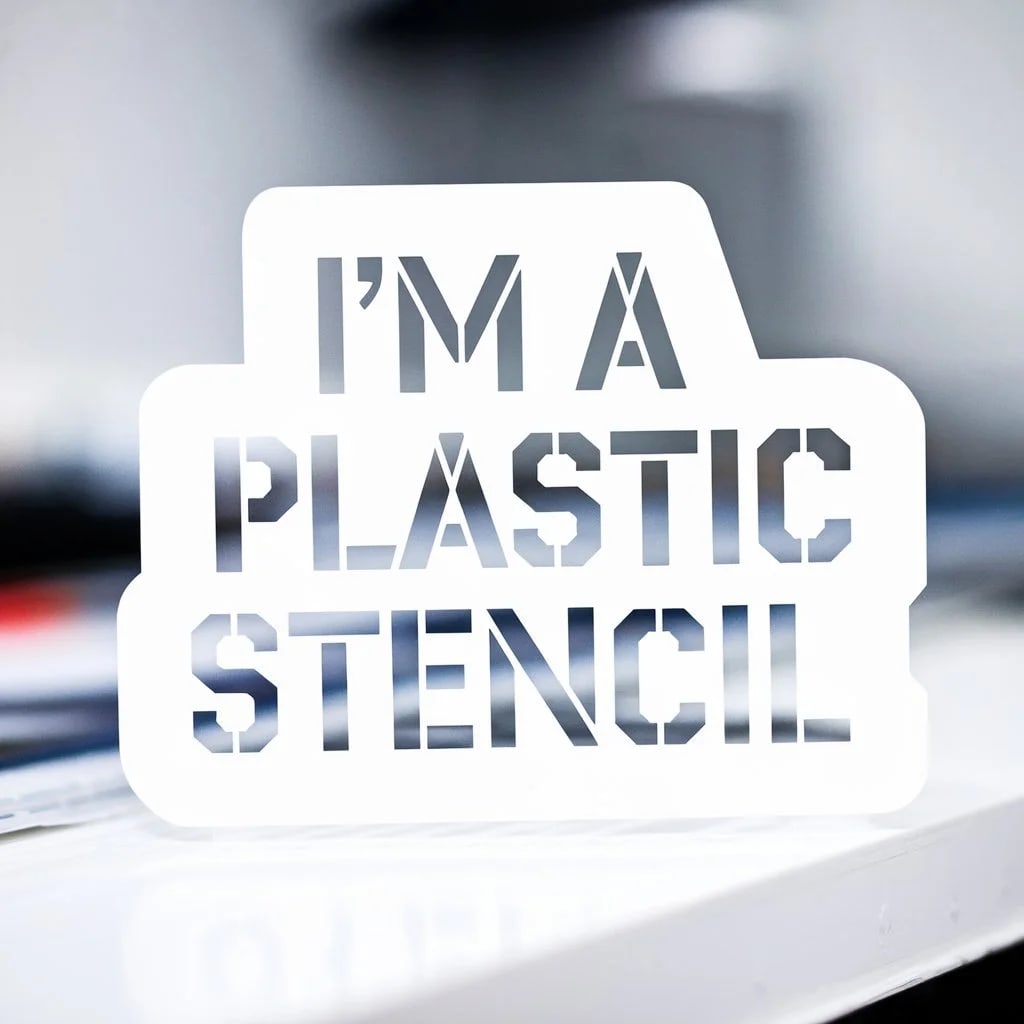
Custom stencils are one of the most versatile tools in sign painting, combining precision with creative flexibility. Whether you're creating business signage, event displays, or decorative pieces, stencils help achieve professional results with consistent quality. This guide covers everything you need to know about creating and using custom stencils for sign painting.
Why Use Custom Stencils for Sign Painting?
Stencils solve several common challenges in sign making. They ensure consistent lettering across multiple signs, allow precise replication of logos and graphics, and make complex designs achievable even without advanced hand-lettering skills. For businesses needing custom aluminum signs or other professional signage, stencils provide the accuracy that brand consistency demands.
The technique dates back centuries but remains relevant today. Modern materials and cutting technology have expanded what's possible, from simple text to intricate multi-layer designs.
What Materials Work Best for Sign Painting Stencils?
The material you choose directly affects stencil durability and performance. Here's what professional sign makers use:
- Mylar (polyester film): The industry standard for reusable stencils. According to Stencil Ease, Mylar is "very tough, does not stretch, and can replicate images accurately and repeatedly." For sign painting, 7.5 mil to 14 mil thickness works best—thinner options flex around curves while thicker options resist heavy spray applications.
- Vinyl (adhesive-backed): Ideal for one-time use or when you need the stencil to stay perfectly positioned. The adhesive backing prevents shifting and paint bleed.
- Acetate: A more affordable option for lighter-duty projects. Less durable than Mylar but works well for single-use stencils.
- Heavy-duty LDPE: For industrial applications, parking lots, or outdoor use where maximum durability matters.
How Do You Design Stencils for Sign Painting?
Effective stencil design balances visual impact with practical application. Start with these principles:
Keep It Structurally Sound
Every part of your stencil must connect to the outer frame. Letters like O, A, and B need "bridges" to hold their center pieces in place. Without these connections, pieces fall out during cutting or application.
Choose Appropriate Fonts
Bold, sans-serif fonts translate best to stencils. Thin hairlines and intricate serifs can tear during cutting or fill with paint during application. When working with logos, simplify detailed elements or plan for multi-layer stencils.
Balance Negative and Positive Space
The areas you cut away (negative space) create your painted design. Too much negative space weakens the stencil structure. Too little makes your design hard to read from a distance.
What Are the Best Digital Tools for Stencil Design?
Digital design offers precision that hand-drawing can't match. Professional options include:
- Adobe Illustrator: Industry-standard vector software with precise path control
- CorelDRAW: Popular alternative with strong sign-making features
- Inkscape: Free, open-source option that handles stencil design well
When designing digitally, work in vector format so designs scale without quality loss. Convert photos to high-contrast outlines using trace functions, then manually clean up the results for stencil-friendly shapes.
How Do Cutting Machines Improve Stencil Quality?
Machines like Cricut, Silhouette, and professional vinyl cutters revolutionized stencil making. They produce consistent, precise cuts that hand-cutting can't match.
Setting Up Your Cut
- Load your stencil material securely—shifting during cutting ruins precision
- Adjust blade depth and pressure for your material thickness
- Test on scrap material first to dial in settings
- For intricate designs, slow the cutting speed to improve accuracy
Common issues include incomplete cuts (increase pressure) and material tearing (reduce pressure or slow speed). Most machines have material presets that provide starting points for adjustment.
How Do You Cut Stencils by Hand?
Hand-cutting remains valuable for custom work and when precision equipment isn't available. You'll need:
- Sharp craft knife with replaceable blades (dull blades tear material)
- Self-healing cutting mat
- Metal ruler for straight lines
- Transfer paper to trace your design onto stencil material
Work slowly and keep your blade perpendicular to the material. For curves, rotate the material rather than your blade. Change blades frequently—a fresh blade prevents the ragged edges that cause paint bleed.
How Should You Prepare Surfaces for Stencil Painting?
Surface preparation determines whether you get crisp lines or frustrating paint bleed. Follow these steps:
- Clean thoroughly: Remove dust, grease, and debris. For acrylic signs and similar smooth surfaces, use isopropyl alcohol.
- Prime if needed: Bare wood, raw metal, and porous surfaces need primer for paint adhesion.
- Ensure dryness: Any moisture trapped under your stencil causes paint problems.
- Choose smooth surfaces when possible: Textured surfaces allow paint to seep under stencil edges.
What's the Secret to Preventing Paint Bleed?
Paint bleeding under stencils is the most common frustration in stencil work. According to Making Manzanita, the most effective solution is sealing stencil edges before painting.
The Seal-First Technique
- Position and secure your stencil
- Apply a thin layer of Mod Podge or clear medium over the stencil edges
- Let it dry completely (about 15-20 minutes)
- Apply your paint color using a dabbing motion
- Remove stencil while paint is still slightly tacky for cleanest edges
This sealing step fills tiny gaps between stencil and surface where paint would otherwise seep through.
How Do You Apply Paint Over Stencils?
Paint application technique matters as much as stencil quality:
- Use minimal paint: "Offload" your brush onto paper towel before touching the stencil. A nearly-dry brush prevents bleed.
- Dab, don't stroke: Stippling (up-and-down dabbing) or swirling motions keep paint from pushing under edges. Brush strokes push paint sideways.
- Build thin layers: Multiple light coats produce better results than one heavy coat.
- Work from edges inward: Start at stencil edges and work toward centers to avoid lifting edges.
Choosing Paint Types
Acrylic paints work well for most sign applications—they dry quickly, clean up easily, and adhere to various surfaces. Spray paint covers large stencils efficiently but requires more careful masking. For outdoor signs, use exterior-grade paints formulated for UV resistance.
What Advanced Techniques Elevate Stencil Work?
Once you've mastered basics, these techniques expand your creative options:
Multi-Layer Stencils
Complex designs with multiple colors require separate stencils for each color layer. Register marks (small alignment guides) ensure layers line up precisely. Work from background colors to foreground, allowing each layer to dry before applying the next.
Adding Texture and Dimension
Specialty paints, texture mediums, and faux finish techniques add depth to stenciled signs. Layer metallics over base colors, add shadowing effects, or use textured mediums for raised elements.
Faux Finishes
Stencils can create woodgrain, marble, stone, and other surface effects. These require multiple colors and careful blending but add significant visual interest to plain substrates.
How Do You Care for and Store Stencils?
Proper maintenance extends stencil life:
- Clean immediately after use: Remove paint before it dries and hardens. Water-based paints clean with soap and water; oil-based require appropriate solvents.
- Check for damage: Bent bridges, torn edges, and paint buildup affect future results. Replace damaged stencils.
- Store flat or loosely rolled: Tight rolling or folding creates permanent creases. Flat storage between protective sheets works best.
- Label clearly: Note the design, date created, and any special settings used for reproduction.
What Surfaces Work Best for Stencil Painting?
Different materials require adjusted approaches:
- Wood: Sand smooth and prime for best results. Grain can cause slight bleeding even with sealed stencils.
- Metal: Clean thoroughly and use appropriate primer. Aluminum and steel accept stenciled paint well when properly prepared.
- Glass: Use glass-specific paints and adhesive-backed stencils. Standard stencils slip on glass surfaces.
- Fabric: Requires fabric medium mixed with paint and heat-setting for permanence.
- Textured surfaces: Challenging for crisp lines. Use thicker stencil material and pounce paint into texture.
Creative Applications for Stenciled Signs
Stencils enable diverse sign types:
- Business signage: Consistent branding across window displays, directional signs, and promotional materials
- Event signage: Wedding signs, party decorations, and festival displays
- Wayfinding: Directional arrows, room numbers, and parking lot markings
- Decorative pieces: Custom home signs, quote boards, and artistic installations
Ready for Professional Results?
Custom stencils bridge the gap between DIY creativity and professional quality. With the right materials, proper technique, and attention to detail, you can achieve crisp, consistent results on any sign project.
For complex business signage that demands perfect execution, work with our professional sign team. We bring commercial-grade equipment and decades of experience to deliver signs that represent your brand exactly as you envision. Our Bay Area shop handles everything from design to professional installation.