
How to Apply Vinyl Window Decals Without Air Bubbles: A Professional Guide
Master the wet application method and squeegee technique that professional installers use to achieve flawless, bubble-free vinyl decal results on glass and other smooth surfaces.
Key takeaways
- Clean surfaces with isopropyl alcohol—never ammonia-based cleaners—before applying vinyl decals.
- Use the wet method with diluted dish soap (1 drop per 16 oz water) for repositioning control and bubble-free results.
- Squeegee from the center outward to push trapped air and water toward the edges.
- Wait until the decal is fully dry before removing transfer tape—typically a few hours to overnight.
- Apply decals when surface temperature is between 50–90°F for optimal adhesive performance.
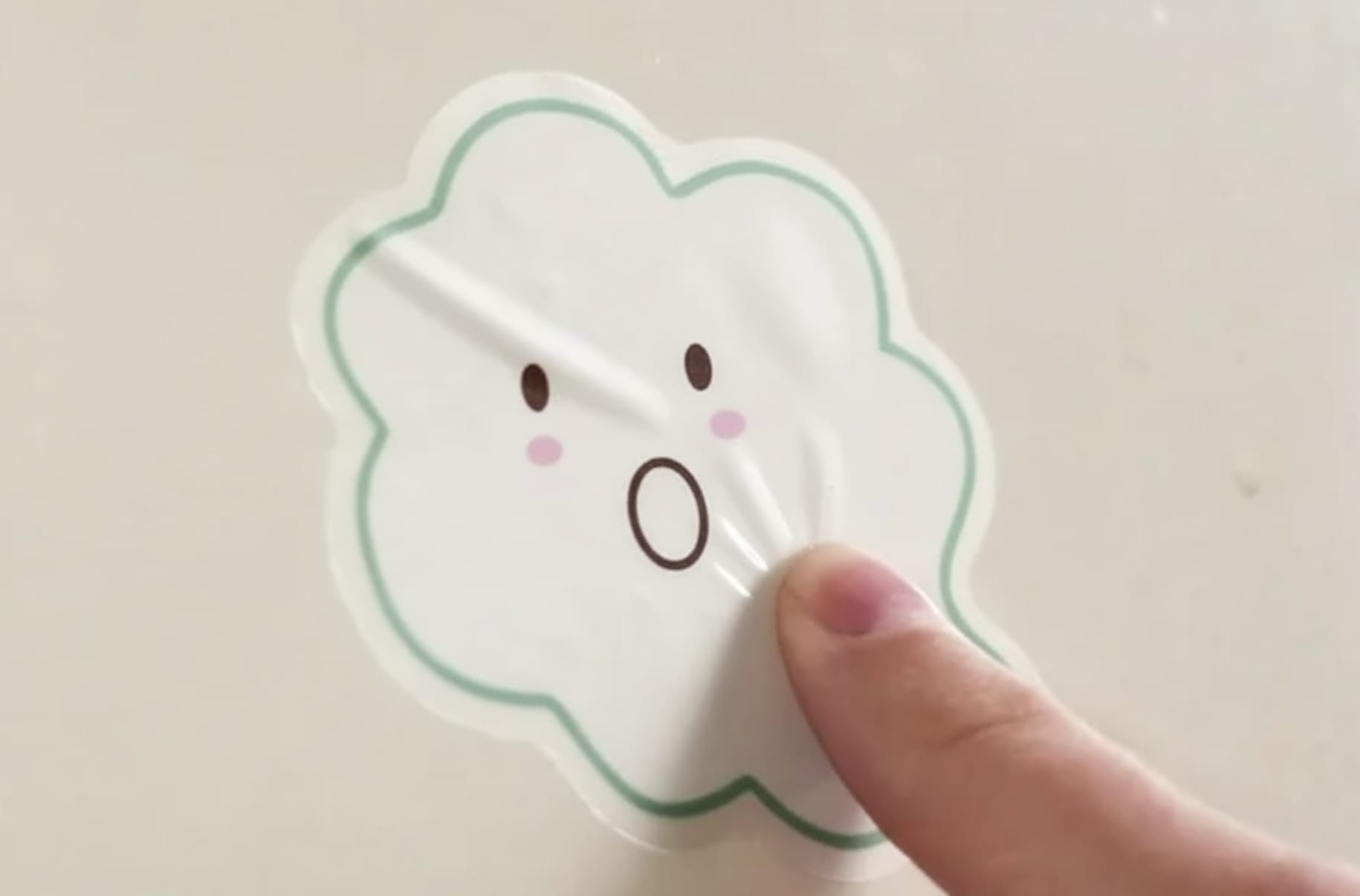
Applying vinyl decals to glass without trapping air bubbles is one of the most common challenges for DIYers and professionals alike. The difference between a flawless installation and a frustrating, bubble-riddled mess often comes down to technique—specifically, the wet application method that professional installers rely on for consistent results.
Whether you are installing custom window decals for your storefront or applying graphics to vehicle glass, mastering these techniques will help you achieve professional-grade results every time.
Why does surface preparation matter so much?
Proper surface preparation is the foundation of any successful vinyl application. Even microscopic dirt particles, grease residue, or dust can create air pockets that show through your finished decal. Professional installers know that rushing this step guarantees problems later.
Start by cleaning the glass thoroughly with isopropyl alcohol and a lint-free cloth. Industry best practices recommend avoiding ammonia-based window cleaners because they leave residue that interferes with adhesive bonding. Wipe the surface in one direction using overlapping strokes to ensure complete coverage.
For especially dirty or greasy surfaces, wash first with dish soap and warm water, rinse thoroughly, then finish with isopropyl alcohol. The surface should be completely dry and dust-free before proceeding.
What is the wet application method?
The wet application technique is the professional installer's secret for achieving perfect results on large decals or challenging surfaces. This method uses a diluted soap solution to temporarily reduce the adhesive's tack, giving you time to reposition the decal and squeegee out air bubbles before the adhesive sets.
Mix a solution of one drop of dish soap per 16 ounces of water in a spray bottle. According to Jennifer Maker's vinyl application guide, this dilution ratio provides enough slip for repositioning without compromising adhesion. Too much soap can cause the transfer tape to delaminate or create a whitish haze in the adhesive.
Spray the cleaned glass surface lightly with your solution, creating a thin, even layer. This water barrier prevents the decal from sticking immediately upon contact, giving you precious seconds to slide it into perfect position.
How do you apply the decal step by step?
With your surface prepared and soap solution ready, follow these steps for a bubble-free application:
- Create a hinge: For large decals, use masking tape along the top edge as a hinge. This lets you lift the decal, remove the backing, and lower it back into position with perfect alignment.
- Expose the adhesive: Peel the backing paper from your vinyl decal, exposing the adhesive side. Spray the exposed adhesive lightly with your soap solution—less is more.
- Position the decal: Place the decal on the wet glass surface and slide it into exact position. The water layer allows repositioning until you are satisfied.
- Squeegee from center out: Use firm, even pressure and work from the center of the decal toward the edges. This pushes trapped air and water toward the perimeter where it can escape.
- Remove excess moisture: Wipe away excess water from around the edges with a lint-free cloth or paper towel to prevent water from seeping back under the vinyl.
For curved surfaces or very large decals, consider cutting the graphic into manageable sections. This allows you to work one area at a time, reducing the risk of wrinkles or trapped air.
What is the proper squeegee technique?
The squeegee is your primary tool for eliminating air bubbles and excess water. Use overlapping strokes, maintaining consistent pressure throughout each pass. If you encounter stubborn bubbles, work them toward the nearest edge using short, firm strokes.
For textured or curved surfaces, a felt-edged squeegee provides better conformability than hard plastic alone. The key is applying enough pressure to bond the vinyl without stretching or distorting the graphic.
When should you remove the transfer tape?
Wait for the decal to dry completely before removing the transfer tape. This typically takes a few hours to overnight, depending on temperature and humidity. Full adhesive cure can take up to 24 hours.
When the decal is fully dry, peel the transfer tape at a 180-degree angle—pulling the tape back on itself, parallel to the surface, rather than away from it. This technique minimizes stress on the vinyl and prevents lifting.
If the transfer tape rips during removal, that is fine as long as the decal underneath remains intact. Work slowly and methodically, maintaining that low angle throughout the process.
What temperature is best for vinyl application?
Surface temperature significantly affects adhesive performance. Professional guidelines recommend applying decals when surface temperatures are between 50 and 90 degrees Fahrenheit. Adhesive becomes brittle when too cold and gummy when too hot.
For outdoor applications, consider the sun's position. Direct sunlight can cause the adhesive to activate too quickly, reducing your working time. Apply decals in shade or during cooler parts of the day for maximum control.
What are the most common application mistakes?
Even experienced installers can fall into common traps that compromise results:
- Using too much soap: Excess solution can cause the transfer tape to delaminate or create adhesive whitening. Start with a light mist.
- Poor environmental conditions: Cold temperatures make vinyl stiff and difficult to work with, while high humidity extends drying time dramatically.
- Inadequate surface cleaning: What looks clean to the naked eye may harbor oils, dust, or residue that prevent proper adhesion. When in doubt, clean again.
- Rushing transfer tape removal: Removing tape before the adhesive has bonded can lift the vinyl right off the glass.
How do you maintain vinyl decals long-term?
Once properly installed, vinyl window decals require minimal maintenance. Clean them quarterly with a soft cloth, mild soap, and water. Avoid abrasive pads, squeegees with metal edges, or strong solvents that could scratch or damage the vinyl surface.
For commercial installations, establish a regular inspection schedule to catch edge lifting or adhesive failure early. Small problems are easily addressed with a heat gun and squeegee, while neglected issues can require complete replacement.
Ready to install professional-quality window decals?
Whether you need clear window decals for a subtle branded look or bold graphics that command attention, proper application technique makes all the difference. If you would rather leave the installation to professionals, our team handles installation services throughout the Bay Area.
Start your custom decal project today and we will help you choose the right materials and application method for your specific needs.