How to Apply Reflective Vinyl for Enhanced Night Visibility
A practical guide to selecting, preparing, and applying reflective vinyl—from engineering grade to high-intensity prismatic—for signs, vehicles, and safety applications.
Key takeaways
- Reflective vinyl uses microprisms or glass beads to bounce light back toward its source, making signs visible from 400 to 1,600 feet depending on grade.
- High Intensity Prismatic (HIP) sheeting meets ASTM D4956 Type IV and can last up to 12 years with proper installation.
- Surface preparation—cleaning with isopropyl alcohol and ensuring a smooth, dry surface—is the most important step for long-term adhesion.
- Wet application works best for large or curved surfaces, while dry application is ideal for smaller flat areas.
- Allow 24–48 hours of curing time before washing or applying pressure to newly installed reflective vinyl.
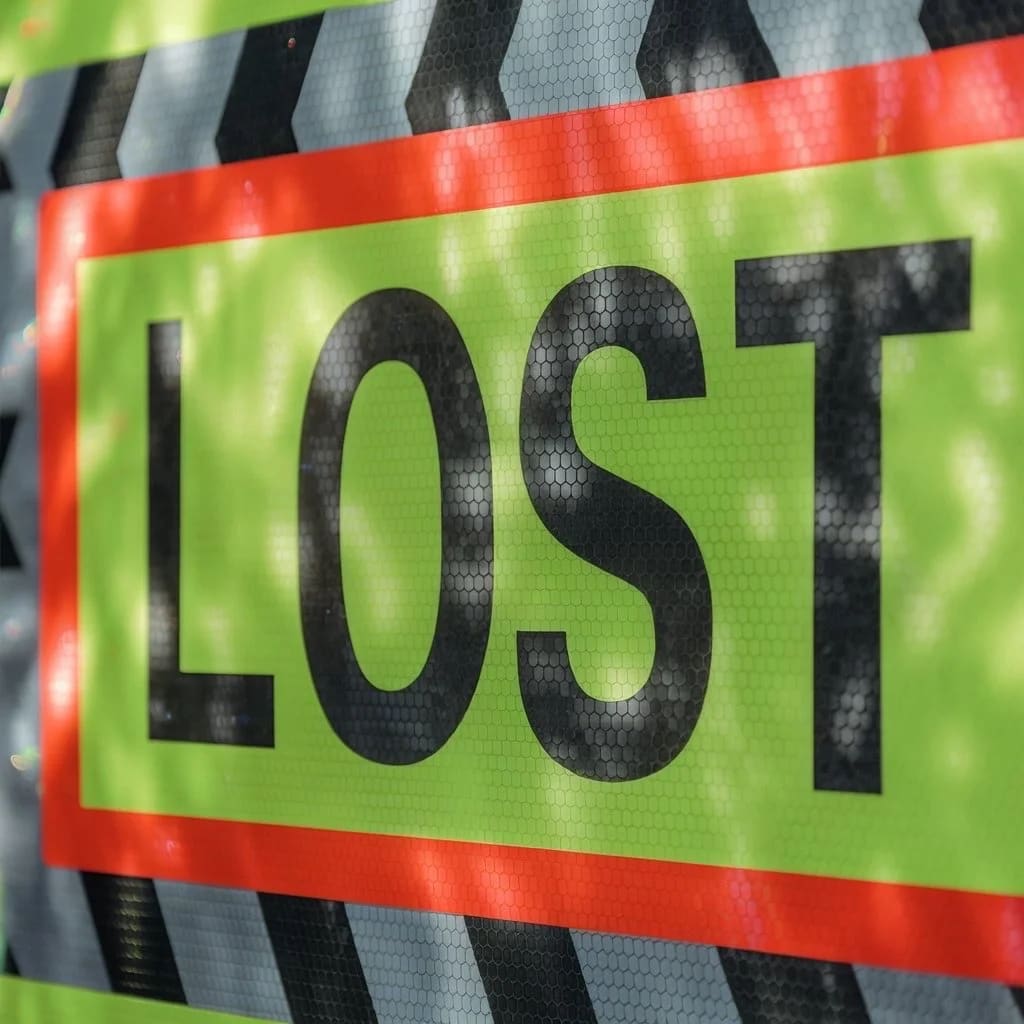
Reflective vinyl transforms ordinary signs into highly visible safety features that catch and redirect light back toward its source. Whether you are upgrading traffic signage, adding visibility to commercial vehicles, or enhancing personal safety gear, understanding the application process makes the difference between a professional finish and premature failure. This guide covers everything from selecting the right material grade to troubleshooting common issues.
What makes reflective vinyl work?
Reflective vinyl contains either glass beads or microprisms embedded in a plastic film. When light from headlights or flashlights hits the surface, these elements redirect it back toward the source—creating the bright, luminous effect you see on highway signs and emergency vehicles.
The technology behind reflective sheeting has evolved significantly. According to 3M, modern full-cube prismatic technology returns nearly twice the light of older truncated cube designs, which is why sign visibility standards keep improving.
Which grade of reflective vinyl should you choose?
Different applications call for different grades of retroreflective sheeting. According to industry specifications, there are three main categories:
Engineer Grade (Type I)
The most basic option, Engineer Grade uses glass beads to reflect light. Signs with this material are visible from 400–600 feet and typically last 5–7 years. This grade works well for parking lots, warehouses, and non-critical commercial applications where budget is a primary concern.
High Intensity Prismatic (Type IV)
HIP sheeting uses prismatic cells that reflect light at wider angles, making signs visible from 800–1,200 feet. This grade meets ASTM D4956 Type IV standards and carries warranties up to 10–12 years. It is the standard for highway signs and custom safety signs where reliable night visibility is essential.
Diamond Grade (Type XI)
The most efficient reflective material returns up to 60% of incoming light and provides visibility from 1,300–1,600 feet. Diamond Grade is specified for critical traffic control applications and offers 12+ year durability.
What tools and materials do you need?
Before starting, gather these essentials:
- Reflective vinyl (appropriate grade for your application)
- Squeegee or application tool
- Isopropyl alcohol (70% or higher) and lint-free cloths
- Sharp utility knife or scissors
- Measuring tape and masking tape
- Heat gun (for curved surfaces or finishing)
- Application fluid (for wet applications)
How do you prepare the surface?
Surface preparation is the most critical step for long-term adhesion. A clean, smooth, dry surface ensures the vinyl bonds properly and stays in place for years.
Cleaning: Wipe the surface with isopropyl alcohol and a lint-free cloth to remove dirt, oil, and debris. Avoid household cleaners that leave residue.
Smoothing: Sand down imperfections like rust, peeling paint, or raised edges. The surface should feel uniformly smooth to the touch.
Drying: Ensure the surface is completely dry before proceeding. Even slight moisture can compromise adhesion.
How do you apply reflective vinyl correctly?
There are two primary application methods: dry and wet. Your choice depends on the size of the piece and the complexity of the surface.
Dry application (best for flat surfaces)
This method works well for small to medium-sized pieces on flat surfaces:
- Position the vinyl using masking tape without removing the backing paper—this lets you check alignment before committing.
- Create a hinge by taping one edge, then lift the opposite side to remove the backing paper.
- Slowly lower the vinyl while using a squeegee to press from the center outward, pushing air toward the edges.
- If bubbles form, push them toward the nearest edge with the squeegee or puncture with a pin to release trapped air.
Wet application (best for curves and large areas)
Wet application provides more working time and forgiveness, making it ideal for vehicle graphics and large signage:
- Lightly mist both the adhesive side of the vinyl and the target surface with application fluid.
- Position the vinyl—the fluid allows you to slide it into perfect alignment.
- Use a squeegee to press out the fluid and air, working from center to edges.
- Allow extra drying time before the vinyl fully adheres.
What should you do after application?
Allow the vinyl to cure for 24–48 hours before washing, applying pressure, or exposing it to harsh conditions. This curing period lets the adhesive reach full bond strength.
For curved surfaces or edges that need extra adhesion, gently warm the vinyl with a heat gun on low settings. This softens the material and helps it conform to complex shapes while improving the bond.
How do you maintain reflective vinyl?
Regular maintenance extends the life of your reflective vinyl:
- Cleaning: Use mild soap and water. Avoid abrasive cleaners, pressure washers at close range, or tools that could scratch the surface.
- Inspection: Check periodically for peeling edges, damage, or fading—especially on outdoor installations and vehicles.
- Repairs: Address lifting edges promptly using a heat gun and firm pressure. Replace sections that show significant wear before they compromise visibility.
What are common applications for reflective vinyl?
Reflective vinyl serves a wide range of visibility and safety needs:
Commercial and safety signage
Parking lot signs, directional markers, and custom aluminum signs all benefit from reflective materials. For businesses operating at night or in low-light conditions, reflective signage ensures customers can navigate safely.
Vehicle graphics
Fleet vehicles, emergency response units, and personal vehicles use reflective stripes and decals for enhanced night visibility. Custom reflective graphics combine branding with safety.
Personal safety gear
High-visibility workwear, cycling gear, and outdoor equipment often feature reflective vinyl elements. The material can be applied to jackets, helmets, backpacks, and footwear.
How do you troubleshoot common issues?
Air bubbles
Use proper squeegee technique, applying even pressure from center outward. For stubborn bubbles, puncture with a fine pin and smooth flat.
Peeling edges
Usually caused by inadequate surface prep or insufficient pressure during application. Reapply using a heat gun and firm pressure. If the problem persists, the section may need replacement.
Misalignment
Use the hinge method and masking tape to verify position before removing the backing. For wet applications, the fluid gives you working time to adjust before the vinyl sets.
Ready to improve visibility on your next project?
Reflective vinyl is a practical, cost-effective way to enhance safety and visibility for signs, vehicles, and personal gear. The key is matching the right material grade to your application, preparing the surface properly, and using the appropriate application technique.
If you need help selecting materials or want professional installation services in the Bay Area, start your project with SF Bay Signs. We can recommend the right reflective vinyl grade for your specific application and ensure a durable, professional finish.