
Church Signage and Wayfinding Systems: Creating Welcoming Spaces That Guide Your Congregation
Effective church signage removes barriers for first-time visitors, improves accessibility for all members, and reinforces your congregation's welcoming mission from the parking lot to the pews.
Key takeaways
- First impressions happen in the parking lot—clear exterior signage sets the tone before visitors reach the door.
- ADA-compliant signs require tactile characters and braille mounted between 48 and 60 inches from the floor.
- Consistent design across all signage reinforces your church's identity and helps visitors navigate intuitively.
- Children's ministry areas need extra attention with bright, approachable signage that reassures parents.
- Regular maintenance extends sign life and ensures your wayfinding system stays accurate as spaces evolve.
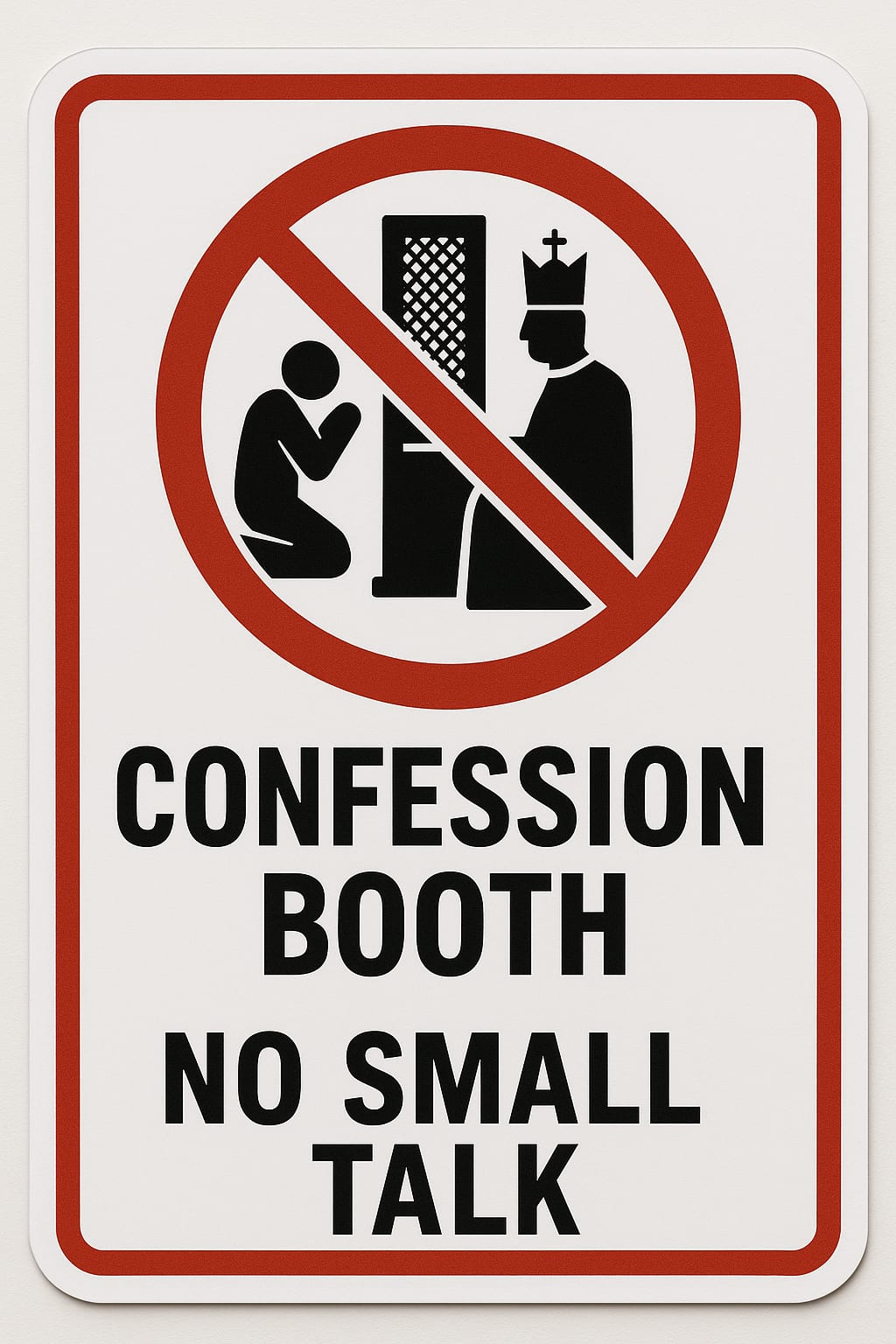
When someone walks into your church for the first time, they are already making decisions about whether to return. Research from LifeWay Research found that a welcoming experience is among the top factors determining whether guests come back—and that welcome begins long before anyone says hello. It starts with clear, thoughtful signage that reduces uncertainty and helps people find where they need to go.
Effective church signage removes the small friction points that can make newcomers feel lost or self-conscious. When visitors can navigate your campus confidently, they arrive at the sanctuary relaxed and ready to engage—not flustered from wandering unfamiliar hallways.
Why does church wayfinding matter for first-time visitors?
First-time visitors often arrive with a mix of hope and hesitation. They may be returning to faith after years away, exploring spirituality for the first time, or simply looking for community. The last thing they need is confusion about where to park, which door to enter, or how to find the children's check-in.
Clear wayfinding removes these barriers. When someone can move through your campus without stopping to ask for directions, they feel capable and welcome rather than dependent and awkward. This matters especially for introverts and those dealing with social anxiety—groups that may be drawn to spiritual community but deterred by unnecessary social friction.
What should exterior church signage include?
Your exterior signage system starts at the street. Drivers need to identify your church from a distance, understand where to turn, and know where to park. Pedestrians need clear paths from parking areas to main entrances.
Essential exterior signage includes:
- Monument or primary identification sign — Visible from the main road with your church name, logo, and service times
- Directional signs — Guide vehicles to visitor parking, accessible parking, and overflow lots
- Building identification — Label multiple buildings clearly (sanctuary, fellowship hall, education wing)
- Entrance markers — Identify main entrances versus service entrances
- Accessible route indicators — Show paths to ramps and accessible entrances
Weather-resistant materials like aluminum or treated acrylic hold up well for exterior applications across Bay Area weather conditions.
How should interior wayfinding be organized?
Interior signage works as a system. Each sign should connect logically to the next, guiding visitors through decision points without overwhelming them with information.
Start by mapping the typical visitor journey from entrance to sanctuary. Identify every point where someone might wonder which way to turn. These decision points need directional signs—not just room labels, but arrows and clear indicators pointing toward key destinations: sanctuary, restrooms, children's ministry, offices.
Effective interior wayfinding includes:
- Lobby directory — Overview map near main entrance showing major areas
- Hallway directional signs — Mounted at intersections and decision points
- Room identification signs — Clear labels for every room visitors might need
- Restroom signs — Highly visible with standard pictograms
- Emergency exit signs — Required by code and essential for safety
What are the ADA requirements for church signage?
Churches that open their doors to the public are considered places of public accommodation under the Americans with Disabilities Act. This means your signage must meet specific accessibility standards.
According to the U.S. Access Board ADA guidelines, signs identifying permanent rooms and spaces must include:
- Tactile (raised) characters — Characters between 5/8 inch and 2 inches high, in uppercase sans serif font
- Grade 2 braille — Located below the raised characters
- Proper mounting height — Tactile characters positioned between 48 and 60 inches from the floor
- Latch-side placement — Signs mounted beside doors on the latch side
- Contrast and finish — Light-on-dark or dark-on-light contrast with non-glare surfaces
- Clear floor space — Minimum 18 by 18 inches centered on the tactile characters
Directional and informational signs do not require tactile features but must still meet visual accessibility standards with adequate contrast and character sizing based on viewing distance.
How should children's ministry signage be handled?
Children's areas deserve special attention because parents are trusting you with their most precious responsibility. Signage in these spaces should accomplish two goals: help children feel welcome and excited, and reassure parents about safety and security.
Effective children's ministry signage includes:
- Bright, age-appropriate graphics — Colors and imagery that signal "kids welcome here"
- Clear check-in/check-out procedures — Posted prominently for parent peace of mind
- Room labels by age group — Help parents and volunteers locate the right classroom quickly
- Safety information — Emergency procedures, allergy protocols, and staff identification
Consider involving your children's ministry team in the design process—they understand what parents ask about most often and can identify gaps in current signage.
How can signage reinforce your church's visual identity?
Every sign is a touchpoint with your church's brand. Consistent design across all signage—from the parking lot monument sign to the smallest room label—creates a cohesive experience that reinforces your identity.
Key elements to standardize:
- Color palette — Use your church's primary and secondary colors consistently
- Typography — Select one or two fonts and use them throughout
- Logo placement — Determine when and where your logo appears on signs
- Material finishes — Choose complementary materials that work across different sign types
A unified visual system does more than look professional—it creates subconscious cues that help visitors recognize they are still "in the right place" as they move through your campus.
What is the process for implementing a church wayfinding system?
Implementing effective wayfinding is a collaborative process. It starts with understanding how people actually move through your space—not just how you think they should.
Step 1: Audit your current signage — Walk your campus as a first-time visitor would. Note every moment of confusion, every worn sign, every missing label.
Step 2: Map visitor journeys — Identify the primary paths people take from parking to major destinations. Mark decision points where directional guidance is needed.
Step 3: Prioritize accessibility — Ensure ADA compliance is built into your plan from the start, not added as an afterthought.
Step 4: Develop a design system — Create templates for different sign types that maintain visual consistency while meeting functional requirements.
Step 5: Plan for professional installation — Proper mounting ensures signs are positioned correctly for visibility and ADA compliance.
Step 6: Train your team — Greeters and volunteers should know where signs are located so they can direct visitors effectively.
How should church signage be maintained?
Signage is not a one-time investment—it requires ongoing attention to remain effective. Faded, damaged, or outdated signs send unintended messages about your church's attention to detail and care for visitors.
Establish a maintenance routine:
- Monthly visual inspection — Check for damage, fading, or vandalism
- Quarterly cleaning — Remove dust, dirt, and smudges that reduce readability
- Annual comprehensive review — Verify all information is current and accurate
- Immediate updates — Replace signs promptly when room functions change
Keep a spare inventory of common signs (restroom, exit) so replacements can be made quickly when needed.
What return on investment can churches expect from wayfinding improvements?
The value of effective wayfinding is difficult to measure in dollars but easy to observe in outcomes. When visitors can navigate confidently, they:
- Arrive at services less stressed and more open to connection
- Feel respected and welcomed rather than lost and embarrassed
- Are more likely to return for a second visit
- Can participate more fully because they know where things are
For churches focused on growth and community building, removing navigation barriers is one of the most practical investments you can make. Every sign that helps a visitor feel at home is a small act of hospitality that supports your larger mission.
Ready to improve your church's signage?
Whether you need a complete wayfinding system for a new campus or targeted improvements to your existing signage, the right approach starts with understanding your space and your congregation's needs.
Start your project with a conversation about your church's specific requirements. We will help you create signage that welcomes visitors, serves your congregation, and reflects your church's identity and mission.