
Choosing the Right Screws for Mounting Bronze Plaques: A Comprehensive Guide
The right screws make or break a bronze plaque installation. Learn which fastener materials, sizes, and techniques ensure your memorial or commemorative plaque stays secure for decades—whether mounted on wood, stone, brick, or metal.
Key takeaways
- Silicon bronze screws offer the best aesthetic match and excellent corrosion resistance for bronze plaques.
- Stainless steel (especially 316 grade) provides superior strength and saltwater corrosion resistance for coastal Bay Area installations.
- Galvanic corrosion occurs when dissimilar metals contact each other—use nylon washers or matching fasteners to prevent it.
- Pre-drilling pilot holes and using appropriate anchors are critical for masonry and stone surfaces.
- Annual inspection and maintenance extend the life of both screws and plaques.
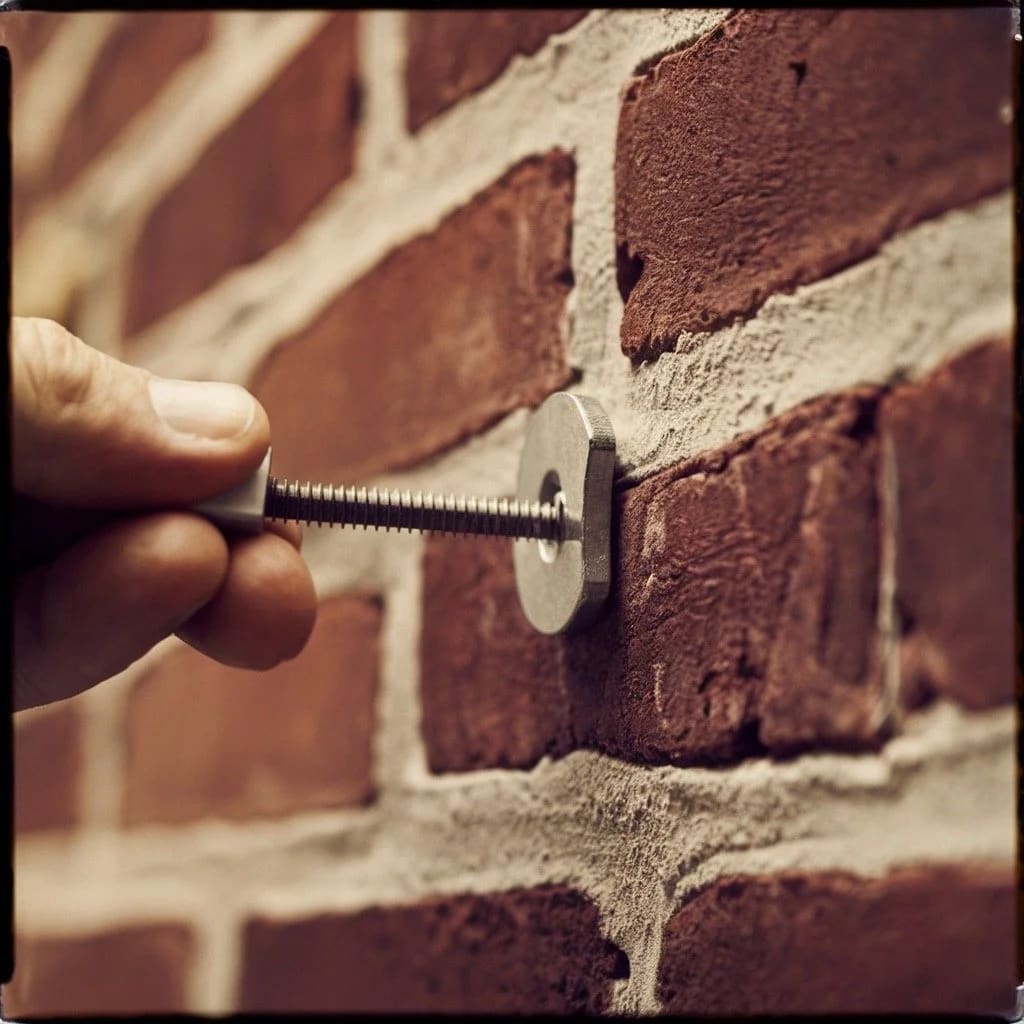
Bronze plaques are built to last for decades—commemorating events, honoring individuals, and marking landmarks with timeless elegance. But even the finest bronze casting can fail if mounted with the wrong hardware. The screws you choose directly affect whether your plaque stays secure and attractive for years or starts loosening and corroding within months.
This guide covers everything Bay Area sign professionals and property managers need to know about selecting, installing, and maintaining screws for bronze plaque mounting—from material science to real-world installation techniques.
Why does screw selection matter for bronze plaques?
Poor screw selection is the most common cause of bronze plaque failure. The wrong fastener can corrode, weaken, and eventually cause a plaque to fall—damaging the plaque itself and potentially injuring passersby. Beyond structural concerns, mismatched screws can create unsightly rust streaks or staining on both the plaque and mounting surface.
The Bay Area's microclimates add another layer of complexity. A plaque mounted in foggy San Francisco faces different conditions than one installed in sunny San Jose. Coastal locations from Oakland to San Mateo deal with salt air that accelerates metal corrosion. Choosing the right screw material for your specific location is essential for long-term durability.
What are the best screw materials for bronze plaques?
Silicon bronze screws: The premium choice
Silicon bronze screws are the gold standard for bronze plaque mounting. They offer a near-perfect color match with bronze plaques, creating a seamless, cohesive appearance. According to Jamestown Distributors, silicon bronze provides excellent corrosion resistance and is traditionally used in marine and exterior woodworking applications.
The trade-off is that bronze screws are softer than steel and require carefully sized pilot holes to avoid breakage during installation. They're also less commonly available and typically cost more than other options. For high-visibility memorial plaques or historic markers where aesthetics matter most, the investment is worth it.
Stainless steel screws: The all-purpose workhorse
Stainless steel screws are the most popular choice for outdoor bronze plaque installations. They offer excellent strength, good corrosion resistance, and are readily available in any hardware store. For coastal Bay Area locations, choose 316 grade stainless steel—it contains molybdenum, which significantly improves resistance to saltwater corrosion.
Standard 18-8 grade stainless works well for inland installations in San Jose, Palo Alto, or Concord. One caution: stainless steel can experience issues in anaerobic (oxygen-deprived) environments, so it's best used where the fastener remains exposed to air.
Brass screws: Aesthetic compatibility with limitations
Brass screws provide a warm tone that complements bronze well. They're corrosion-resistant and traditionally used for decorative applications. However, brass is significantly softer than stainless steel and may not hold up as well in humid or coastal environments where tarnishing accelerates.
Coated screws: Budget-friendly but shorter-lived
Galvanized or zinc-plated screws offer a cost-effective alternative for temporary installations or protected indoor locations. The coating provides corrosion resistance initially, but wears off over time—especially in harsh outdoor conditions. These are not recommended for permanent outdoor bronze plaque mounting.
How do you prevent galvanic corrosion between metals?
Galvanic corrosion is one of the most common causes of mounting failure. It occurs when two dissimilar metals are in electrical contact in the presence of an electrolyte (like moisture or salt spray). The less noble metal corrodes while protecting the more noble metal.
According to Industrial Metal Service, the best ways to prevent galvanic corrosion include:
- Match metals: Use screws made from the same metal family as your plaque. Bronze screws with bronze plaques, stainless with stainless.
- Insulate the connection: Neoprene or nylon washers and bolt sleeves break the electrical contact between dissimilar metals.
- Choose closely ranked metals: Metals close together on the galvanic series (less than 0.2V difference) corrode each other more slowly.
- Apply protective coatings: Clear sealants or wax create a moisture barrier at the joint.
What size and length screws work best?
Screw size depends on the plaque's weight and the mounting surface. General guidelines:
- Length: Screws should penetrate at least 1.5 inches into wood substrates. For masonry with anchors, the anchor depth determines screw length.
- Diameter: #8 to #10 screws work for most small to medium plaques. Larger commemorative plaques may require #12 or 1/4" bolts.
- Weight distribution: Use at least four mounting points for any plaque over 12 inches. Distribute screws evenly to prevent stress concentration on any single fastener.
How do you mount bronze plaques on different surfaces?
Mounting on wood
Wood is straightforward but requires attention to prevent splitting and moisture damage. Pre-drill pilot holes slightly smaller than the screw diameter. Use stainless steel or silicon bronze screws that won't corrode from moisture in the wood. For softwoods, countersink screws slightly and cover with decorative caps.
Mounting on stone or granite
Stone requires masonry anchors and a hammer drill with carbide or diamond-tipped bits. Drill holes slightly deeper than the anchor length, clear debris, and tap in the anchors. Use stainless steel screws that match the anchor threading. Work slowly to avoid cracking the stone.
Mounting on brick
For brick, drill into the mortar joints rather than the brick face—mortar is easier to drill and less prone to cracking. Use expanding masonry anchors with stainless steel screws. Check anchor security before final tightening.
Mounting on metal
Metal-to-metal mounting requires careful attention to galvanic compatibility. Use screws that match the base metal, or insulate with non-conductive washers. Self-tapping stainless steel screws work for thin sheet metal; thicker steel may require pre-drilled and tapped holes.
What installation techniques ensure long-term success?
Pre-drilling and pilot holes
Always pre-drill pilot holes, regardless of surface type. Pilot holes ensure straight screw alignment, reduce the risk of cracking or splitting, and allow softer screw materials (like bronze) to drive without breaking.
Using appropriate anchors
For masonry, drywall, and hollow surfaces, anchors are essential. Choose anchors rated for the plaque's weight plus a safety margin. Expanding anchors grip tighter as the screw is driven; toggle bolts work for hollow walls.
Proper torque control
Over-tightening strips threads and damages mounting surfaces. Use a screwdriver with adjustable torque settings or hand-tighten with a standard screwdriver. Stop when the screw is snug—additional force causes problems without adding security.
How do you maintain bronze plaque mounting hardware?
Even the best installation needs periodic maintenance:
- Annual inspection: Check all screws for loosening, corrosion, or damage. Retighten as needed.
- Post-weather checks: Inspect after severe storms, especially in coastal areas.
- Clean periodically: Remove debris buildup around screws with a soft brush. Avoid abrasive cleaners that damage protective coatings.
- Reapply protective coating: If you used sealant or wax, refresh it every 2-3 years or when water stops beading on the surface.
What common mistakes should you avoid?
Over-tightening: Stripped threads and cracked mounting surfaces are permanent damage. Go snug, not tight.
Ignoring environment: A screw that works in San Jose won't necessarily survive San Francisco fog or Berkeley salt air. Match materials to local conditions.
Mixing incompatible metals: Steel screws on bronze plaques create galvanic corrosion. Use matching or insulated fasteners.
Skipping pilot holes: Even in softwood, pilot holes prevent splitting and ensure clean installation.
Ready to install your bronze plaque?
Whether you're mounting a memorial plaque, historical marker, or donor recognition display, choosing the right screws is a small investment that protects your larger investment in the plaque itself.
Need help with professional plaque installation in the Bay Area? SF Bay Signs handles everything from hardware selection to final mounting. Start your project and we'll make sure your plaque stays secure for generations.