
Choosing the Right Protective Coatings for Outdoor Signs
The right protective coating extends your sign investment by years. Here is what works for metal, wood, vinyl, and composite substrates in outdoor environments.
Key takeaways
- Polyurethane coatings offer superior UV resistance and maintain clarity outdoors—ideal for signs in direct sunlight.
- Epoxy coatings provide excellent adhesion and corrosion protection for metal but may yellow with sun exposure.
- Powder coatings are solvent-free, eco-friendly, and highly durable—lasting 5+ years for high-performance grades.
- Match your coating to your substrate: polyurethane for wood, powder coating or epoxy for metal, acrylic for vinyl.
- Anti-graffiti coatings protect urban signage by allowing easy removal of paint and markers without damage.
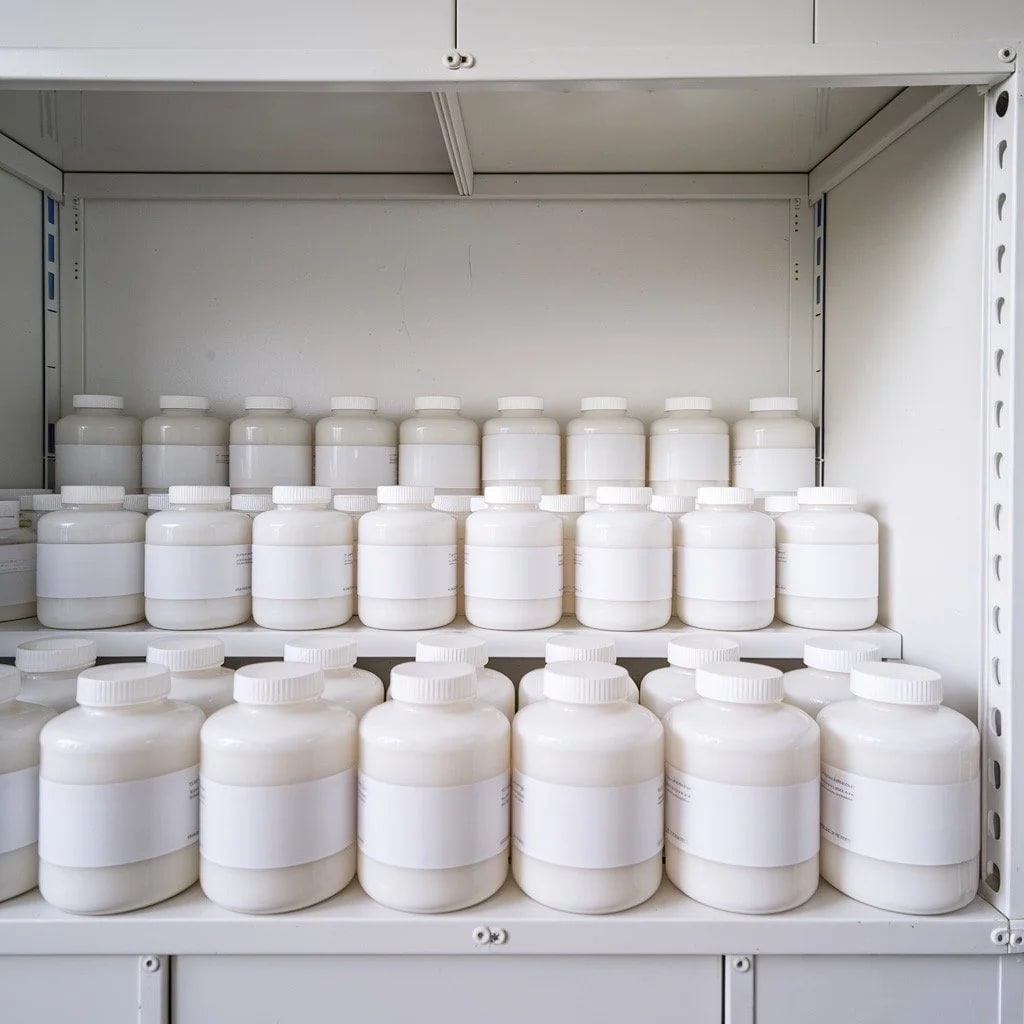
Outdoor signs face constant assault from UV radiation, moisture, temperature swings, and urban pollutants. Without the right protective coating, even a well-built sign can fade, rust, or crack within months. Choosing the correct finish extends your sign's lifespan, preserves its appearance, and protects your investment for years.
This guide breaks down the major coating types, matches them to specific sign materials, and helps you make an informed decision—whether you are installing a custom aluminum sign for your storefront or a wooden wayfinding sign for a park.
Why do outdoor signs need protective coatings?
Every outdoor sign battles the same environmental enemies:
- UV radiation breaks down pigments and polymers, causing colors to fade and materials to weaken.
- Moisture from rain, fog, and humidity leads to rust on metal and mold on wood.
- Temperature fluctuations cause materials to expand and contract, resulting in cracks and warping.
- Pollution and chemicals in urban environments accelerate surface degradation.
The Bay Area's marine air and fog cycles make these factors even more aggressive. A coating acts as a shield—absorbing UV damage, blocking moisture, and preventing corrosive contact with the sign substrate.
What are the main types of protective coatings?
Each coating chemistry has distinct strengths. The best choice depends on your sign material, location, and desired finish.
Polyurethane coatings
Polyurethane coatings deliver excellent UV resistance and gloss retention. Unlike epoxy, polyurethane maintains its clarity and protects underlying layers from discoloration over time. Available in water-based and solvent-based formulations, polyurethane is ideal for signs in direct sunlight.
Best for: Wooden signs, composite panels, and topcoats over epoxy primers.
Drawbacks: Higher cost; requires good ventilation during application.
Epoxy coatings
Epoxy provides outstanding adhesion, moisture resistance, and corrosion protection. It excels on metal substrates where rust prevention is critical. However, epoxy has a known weakness: sun exposure causes it to yellow and chalk.
Best for: Indoor signs, metal sign primers, and areas with minimal UV exposure.
Drawbacks: Will degrade and discolor outdoors; typically needs a UV-resistant topcoat.
Powder coatings
Powder coatings are applied as a dry powder, then heat-cured to form a hard, durable finish. According to Products Finishing magazine, high-performance powder coatings can withstand up to five years of harsh outdoor exposure before showing visible degradation. Premium fluoropolymer powder coatings last 10–30 years.
Best for: Aluminum signs, steel frames, and any metal signage requiring chip and scratch resistance.
Drawbacks: Requires specialized equipment and heat curing; typically reserved for metal substrates.
Acrylic coatings
Acrylic coatings are versatile, easy to apply, and enhance color vibrancy. They work well on vinyl and plastic signs, providing a clear protective layer in matte or glossy finishes.
Best for: Vinyl signs, window decals, and plastic substrates.
Drawbacks: Less durable than polyurethane or powder coating; may need more frequent reapplication.
Anti-graffiti coatings
In urban settings, vandalism is a real concern. Anti-graffiti coatings create a barrier that lets you wipe away spray paint and permanent markers without damaging your sign. Sacrificial coatings are removed along with the graffiti and then reapplied. Permanent coatings allow multiple cleanings without reapplication.
Best for: Storefronts, public spaces, and any sign in high-traffic urban areas.
Drawbacks: Can be costly; often requires professional application.
How do you match coatings to sign materials?
Not every coating works on every substrate. Here is a quick material-to-coating guide:
Metal signs (aluminum, steel)
Use epoxy primer for corrosion protection, followed by a polyurethane topcoat for UV resistance. Alternatively, powder coating provides a single-step durable finish. For Dibond (aluminum composite) signs, a combination of epoxy and polyurethane delivers comprehensive protection.
Wooden signs
Polyurethane is ideal for wood—it preserves the natural grain while blocking moisture and UV damage. Apply multiple coats with adequate drying time between each.
Vinyl and plastic signs
Acrylic coatings enhance color and provide a clear protective layer. For added UV protection in sunny locations, consider a polyurethane topcoat.
How should protective coatings be applied?
Even the best coating fails if applied incorrectly. Follow these steps for lasting results:
Surface preparation
Clean the substrate thoroughly—remove dust, grease, rust, and old coatings. Sanding or applying a primer may be necessary to ensure proper adhesion.
Application methods
- Brushing: Good for small signs and touch-ups, but may leave visible brush marks.
- Rolling: Suitable for large flat surfaces; provides a smooth, even finish.
- Spraying: Best for professional-grade, even coverage—especially on complex shapes.
Curing and drying
Each coating has specific cure times. Powder coatings require oven curing at 110–250°C. Polyurethane and epoxy coatings need adequate drying time between coats to achieve full hardness and protection.
How do you maintain coated signs over time?
Protective coatings are not permanent. Periodic maintenance extends their life:
- Regular cleaning: Use mild detergent and non-abrasive materials to remove dirt and pollutants.
- Inspect for damage: Look for chipping, peeling, or fading. Address issues early before they spread.
- Touch-up and reapply: In harsh environments, plan on touching up coatings every few years.
Well-maintained signage creates a professional impression and avoids the cost of full replacement. Need help planning your next sign project? Start your project with SF Bay Signs.
What about environmental and VOC concerns?
Many traditional coatings contain volatile organic compounds (VOCs) that harm air quality and the environment. Water-based polyurethanes and powder coatings are the most eco-friendly options—powder coatings release no solvents during application and achieve near-100% material utilization.
If sustainability matters to your business, ask your sign provider about low-VOC and powder coating options.
What is the cost vs. longevity tradeoff?
Higher-quality coatings cost more upfront but dramatically reduce maintenance and replacement frequency. A standard acrylic coating might last 12–18 months outdoors, while a high-performance powder coating protects for 5+ years. Premium fluoropolymer finishes can last decades.
For small signs or short-term displays, a basic coating may suffice. For storefronts, architectural signage, or any sign intended to last, investing in a durable coating pays for itself.