
Matte vs. Gloss Sign Finishes: Which Is Right for Your Business?
Choosing between matte and gloss finishes affects your sign's readability, durability, and visual impact. Here's how to pick the right one for indoor, outdoor, and vehicle applications.
Key takeaways
- Matte finishes reduce glare and hide fingerprints—ideal for indoor signage, wayfinding, and text-heavy designs.
- Gloss finishes enhance color vibrancy and visibility from a distance—best for storefronts, vehicle wraps, and promotional banners.
- Both finishes provide UV resistance and durability when properly laminated, protecting your investment for years.
- You can combine matte and gloss on the same sign to create dynamic visual contrast that highlights logos or key messages.
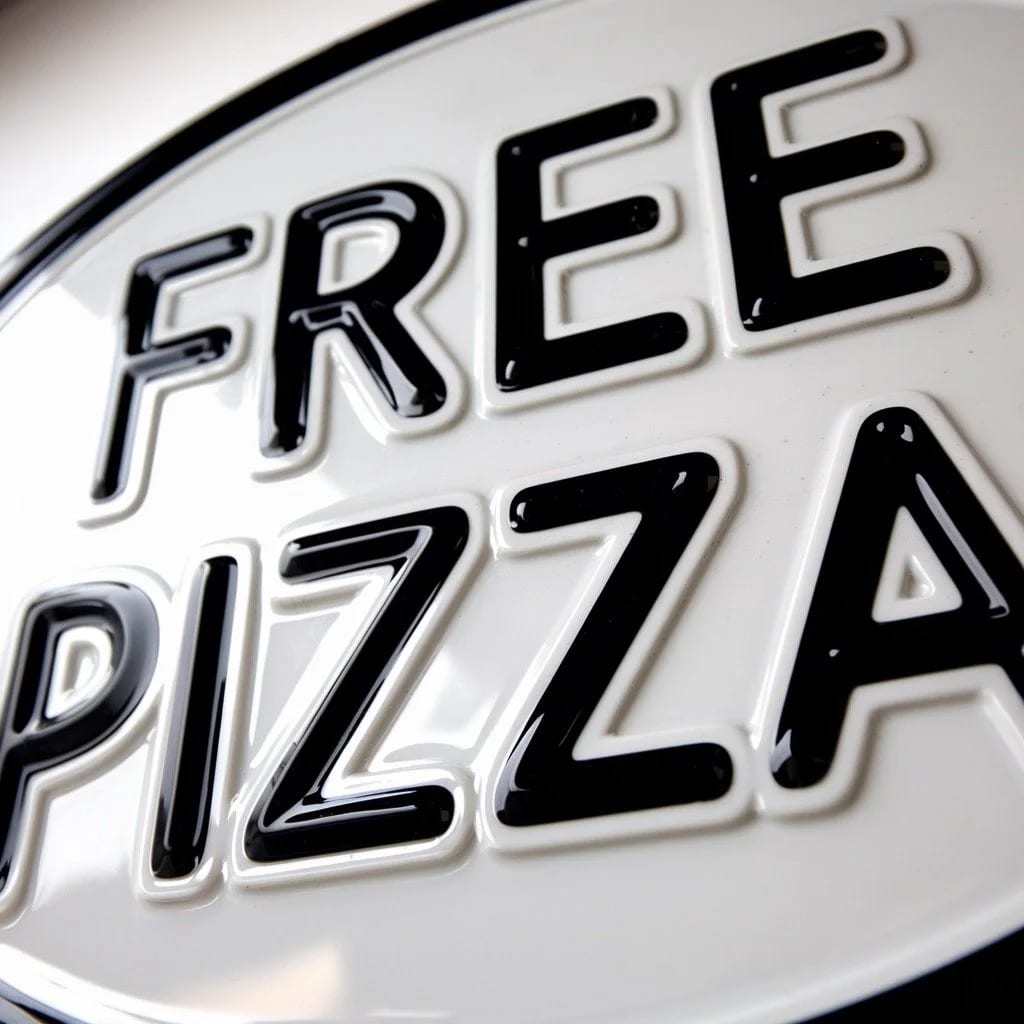
When ordering custom signage, one decision often gets overlooked until the last minute: matte or gloss finish? This choice affects far more than aesthetics—it determines how easily customers can read your sign, how long it will look fresh, and how well it represents your brand in different environments.
Whether you're installing aluminum storefront signs in downtown San Francisco or applying window decals at your Oakland retail location, understanding finish options helps you make a smarter investment. Let's break down what each finish offers and when to use it.
What's the difference between matte and gloss sign finishes?
Sign finishes refer to the final protective coating applied to your graphics. This layer does more than change appearance—it shields the sign from environmental damage, enhances visibility, and extends lifespan.
Matte finishes diffuse light instead of reflecting it, creating a soft, non-reflective surface. According to Gregory, Inc., matte overlaminates are "glare-free, fingerprint-free, and hide scratches"—making them ideal for wayfinding signage and text-heavy applications.
Gloss finishes reflect light directly, enhancing color depth and creating a polished, eye-catching appearance. The same industry source notes that gloss finishes offer "excellent durability" and are "more stain and fade resistant" while making colors appear deeper and more saturated.
When should you choose a matte finish?
Matte finishes excel in environments where readability and subtle sophistication matter most:
- Indoor signage in offices, museums, and galleries where overhead lighting creates glare
- Wayfinding systems that people need to read quickly from various angles
- Text-heavy designs like menus, directories, and informational displays
- High-traffic areas where signs get touched frequently (matte hides fingerprints)
- Contemporary brand aesthetics that favor minimalist, understated elegance
Bay Area corporate offices often choose matte finishes for lobby signage and interior wayfinding because it creates a calm, professional environment without visual distractions.
When does a gloss finish make more sense?
Gloss finishes work best when you need maximum visual impact and vibrant color:
- Storefront and exterior signs designed to catch attention from the street
- Vehicle wraps and fleet graphics that need to stand out in traffic
- Promotional banners and event signage with bold graphics
- Retail environments where striking visuals drive customer engagement
- Brands with dynamic, modern identities that want a polished look
For San Jose storefronts or San Francisco retail locations where foot traffic is high, gloss finishes help signs pop against busy urban backgrounds.
How do matte and gloss finishes affect durability?
Both finish types provide solid protection when properly applied. Westmount Signs explains that lamination "acts as a physical barrier between the material and events such as water damage and physical damage" while also preventing UV radiation damage.
The practical difference lies in how wear shows over time:
- Matte finishes conceal minor scratches, dust, and handling marks—ideal for signs that get touched or bumped
- Gloss finishes show scratches and smudges more readily but often include UV-resistant coatings that excel at preventing color fading
For outdoor applications in the Bay Area's varied climate—from foggy San Francisco mornings to sunny South Bay afternoons—both finishes perform well when paired with quality UV-protective laminates.
What about cost differences between finishes?
Initial material costs for matte and gloss finishes are generally comparable. The real cost difference shows up in maintenance:
- Matte signs require less frequent cleaning and show wear more gracefully
- Gloss signs may need more regular maintenance to stay pristine, especially in dusty or high-touch environments
For businesses weighing long-term value, matte finishes often prove more economical for interior applications, while gloss finishes justify their maintenance needs through superior visual impact outdoors.
Can you combine matte and gloss on the same sign?
Yes—and it's a technique that produces striking results. Using both finishes creates visual contrast that naturally draws the eye to specific elements. Common applications include:
- Glossy logos on matte backgrounds
- Matte text with gloss accent elements
- Alternating finishes to create depth and dimension
This approach works particularly well for premium retail signage, corporate lobbies, and brand applications where you want sophisticated visual hierarchy.
What specialty finishes exist beyond matte and gloss?
If neither pure matte nor full gloss fits your needs, consider middle-ground options:
- Satin or luster finishes offer moderate sheen with reduced glare—a balanced choice for many applications
- Soft-touch finishes add a velvety tactile quality popular for premium interior signage
- Ultra-matte finishes eliminate virtually all reflection for light-sensitive environments
How to decide: key questions for your project
Before finalizing your finish selection, consider:
- Where will the sign be located? Indoor environments often favor matte; outdoor typically benefits from gloss visibility.
- What lighting conditions exist? Bright, direct light calls for matte to reduce glare.
- How important is color vibrancy? If maximum impact matters most, gloss delivers.
- Will people touch the sign? High-touch applications benefit from matte's fingerprint resistance.
- What's your brand aesthetic? Match finish to personality—sophisticated and subtle (matte) or bold and dynamic (gloss).
Ready to choose the right finish for your sign project?
The best finish depends on your specific application, environment, and brand goals. Our team helps Bay Area businesses select finishes that maximize both visual impact and long-term value.
Start your custom sign project and let us recommend the ideal finish for your needs. Have questions first? Contact our team or learn more about our professional sign installation services throughout the San Francisco Bay Area.