Innovation in Laser Etching: Bringing Metal to Life with CO2 Lasers
Laser etching on metal has traditionally been the domain of fiber lasers. New specialty sprays and coatings make it possible to etch metal using CO2 lasers—opening up new options for sign makers.
Key takeaways
- CO2 lasers can mark metal when a compatible coating creates a bondable surface.
- The core workflow is prep → coat → dry → laser → reveal a permanent mark.
- This can expand what a CO2 laser shop can produce, depending on the material and finish.
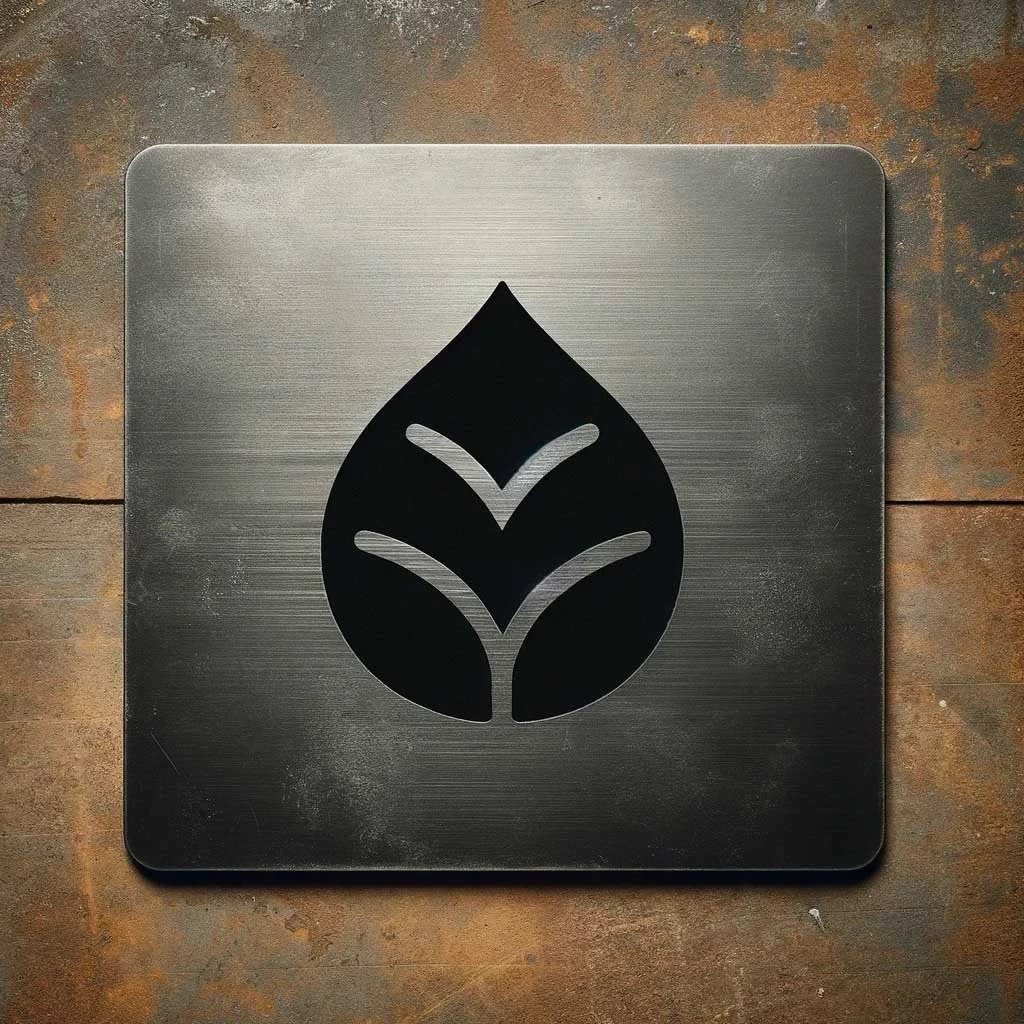
Laser etching on metal has traditionally been the domain of fiber lasers, which can interact directly with metal surfaces to create intricate designs and patterns. However, a newer approach makes it possible to mark certain metals with a CO2 laser by adding a specialized coating.
This process uses sprays or coatings that create a bondable surface on the metal, enabling a CO2 laser to etch designs with precision and clarity. Below is an overview of how it works, when it helps, and what it can unlock for sign makers.
What makes CO2 laser metal etching possible?
A CO2 laser typically does not interact with bare metal the same way it interacts with wood, acrylic, or other non-metallic materials. A specialized marking spray or coating changes that by creating a layer the laser can bond to the surface.
Once the coating dries, the laser etches the design into that layer and leaves behind a durable, high-contrast mark on the metal.
How the process works (prep → coat → dry → laser)
Most workflows follow a simple sequence. First, clean and prep the surface so the coating adheres evenly. Next, apply the spray or coating in a consistent layer and let it dry fully.
Then run the laser file on the coated area. When finished, remove any residue to reveal crisp text, logos, or patterns that look integrated with the original surface.
Why sign makers care (access + versatility)
This approach can reduce the barrier to entry for certain metal-marking applications, especially for shops that already operate CO2 equipment. It can also expand the range of products you can offer—branded plates, labels, wayfinding elements, and decorative metal components.
The key is matching the right coating and settings to the substrate and finish, then validating results on a test piece before committing to a production run.
What this could mean next
As the tooling and coatings improve, CO2-based metal marking can become a practical option for more workflows—especially when the goal is clear labeling, branding, or small-batch customization without adding a separate laser platform.
For sign shops, it’s another way to deliver durable, premium-looking details using equipment and processes that are already part of day-to-day production.