
Best Paints for Metal Signs in Coastal Environments: Epoxy, Polyurethane & Acrylic Compared
Salt air corrodes unprotected metal signs within months. Epoxy, polyurethane, and acrylic each offer different trade-offs for coastal durability. Here's how to choose—and how to apply any of them correctly.
Key takeaways
- Epoxy coatings offer the strongest corrosion resistance for metal signs exposed to salt air.
- Polyurethane provides excellent UV resistance and a durable finish for above-ground signage.
- Proper surface prep (cleaning, sanding, rust-inhibiting primer) is often more important than paint choice.
- Acrylic paints are eco-friendly and easy to apply but may require more frequent touch-ups in harsh coastal conditions.
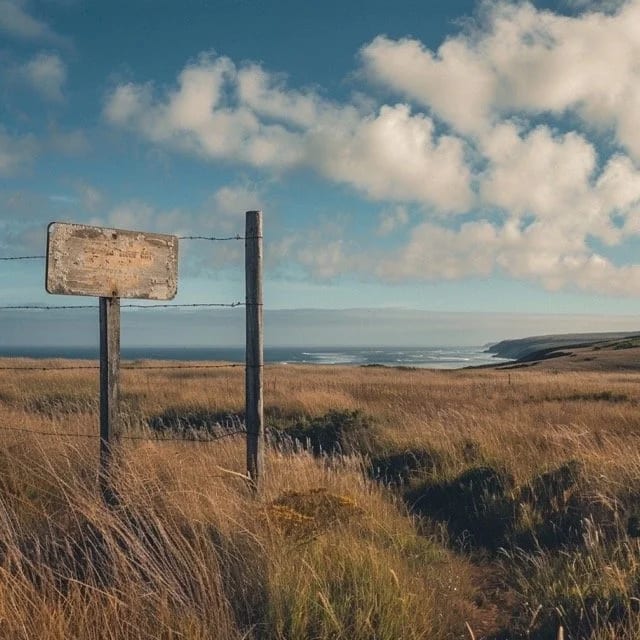
Metal signs within a few miles of the coast face a relentless assault: salt-laden air, high humidity, and intense UV exposure. Without the right protective coating, even high-quality aluminum signs can show corrosion, fading, or peeling within a year.
This guide compares the three most common paint systems for coastal metal signage—epoxy, polyurethane, and acrylic—so you can match the coating to your sign's environment, budget, and maintenance schedule.
Why Coastal Conditions Are Harsh on Metal Signs
Salt air accelerates corrosion. Sodium chloride particles settle on metal surfaces and, combined with moisture, create an electrochemical reaction that breaks down the metal substrate. This process—often called saltwater rust—weakens structural integrity and degrades appearance far faster than inland environments.
Three factors make coastal locations especially challenging:
- Airborne salt: Salt particles can travel several miles inland from the ocean, depositing on surfaces and accelerating corrosion
- Persistent humidity: Coastal fog and marine layer keep surfaces damp for extended periods, giving corrosion more time to work
- Intense UV exposure: Direct sunlight fades pigments and breaks down coating binders, reducing protective performance over time
Comparing Paint Types for Coastal Metal Signs
Each coating system offers different strengths. The right choice depends on your sign's exposure level, your maintenance capacity, and your budget.
Epoxy Coatings: Maximum Corrosion Protection
What it is: A two-part system that chemically cures into an extremely hard, impermeable barrier. Marine industry professionals consider epoxy coatings the strongest protective option for metal surfaces in corrosive environments.
Why it works for coastal signs:
- Exceptional adhesion to properly prepared metal
- Forms a barrier that resists saltwater penetration
- High resistance to chemicals and abrasion
- Long service life before recoating is needed
Practical considerations:
- Two-part mixing requires careful measurement and timing
- Best applied by professionals with spray equipment
- Higher material cost than single-component paints
- Limited UV resistance—often paired with a polyurethane topcoat for outdoor use
Epoxy alone provides the strongest corrosion barrier, but direct sunlight degrades it over time. For outdoor signs, apply a UV-resistant polyurethane topcoat over the epoxy primer.
Polyurethane Coatings: UV Resistance and Durability
What it is: A single- or two-component finish coat known for excellent gloss retention and flexibility. According to Performance Painting's analysis, polyurethane is the preferred topcoat for above-waterline marine applications.
Why it works for coastal signs:
- Superior UV resistance protects against color fading
- Good chemical resistance to salt deposits
- Flexible enough to accommodate temperature-driven expansion and contraction
- Available in a wide range of finishes from high-gloss to matte
Practical considerations:
- Easier to apply than epoxy—brush, roller, or spray methods all work
- Often used as a topcoat over epoxy primer for maximum protection
- Mid-range cost; better value than epoxy when UV resistance is the primary concern
Polyurethane excels as a finish coat because it resists UV degradation while maintaining flexibility—critical for signs that expand and contract with temperature swings.
Acrylic Paints: Ease of Use and Eco-Friendliness
What it is: Water-based coatings that cure through evaporation. They're the most user-friendly option and emit fewer volatile organic compounds (VOCs) than solvent-based alternatives.
Why it works for some coastal signs:
- Easy application—suitable for DIY touch-ups
- Good UV resistance when formulated for exterior use
- Low odor and environmentally friendlier than solvent-based options
- Quick drying time between coats
Practical considerations:
- Less durable than epoxy or polyurethane in high-salt environments
- May require more frequent recoating (every 2-3 years in harsh coastal conditions)
- Best for signs with some protection from direct salt spray
Acrylic paints work well for signs set back from the immediate coastline or protected by overhangs. Direct ocean exposure typically requires the stronger protection of epoxy or polyurethane systems.
Surface Preparation: The Foundation of Any Coating System
Proper prep matters more than paint choice. Even the best coating will fail if applied to a poorly prepared surface. Marine coating professionals follow a consistent sequence:
- Clean thoroughly: Remove all dirt, grease, and salt deposits. A degreaser followed by freshwater rinse works for light contamination; heavily soiled surfaces may need pressure washing.
- Remove existing corrosion: Sand, wire brush, or chemically treat any rust spots down to bare metal.
- Create surface profile: Lightly sand the entire surface to give the primer something to grip.
- Apply rust-inhibiting primer: A zinc-rich or epoxy primer provides the first line of defense against corrosion.
- Apply finish coats: Multiple thin coats outperform a single thick coat. Allow proper drying time between applications.
For professional results, many sign installation projects include coating application as part of the service.
Maintenance Tips for Long-Lasting Coastal Signs
Even well-coated signs benefit from periodic attention:
- Rinse regularly: Freshwater rinses remove salt deposits before they can penetrate the coating. Monthly rinsing is reasonable for signs within a mile of the coast.
- Inspect for damage: Check for chips, scratches, or areas where the coating has worn thin. Catching problems early prevents corrosion from spreading.
- Touch up promptly: Small repairs are far easier than full recoats. Keep matching touch-up paint on hand.
- Document your system: Record the products used so you can match them for future maintenance.
Use that maintenance checklist to keep your signage in top condition between deeper refreshes.
Which Coating System Should You Choose?
The right answer depends on your specific situation:
| Environment | Recommended System | Why |
|---|---|---|
| Direct ocean exposure | Epoxy primer + polyurethane topcoat | Maximum corrosion protection plus UV resistance |
| Within 1 mile of coast | Polyurethane (full system) | Good balance of protection and cost |
| 2-5 miles from coast | Exterior-grade acrylic | Adequate protection with easier maintenance |
| Protected from direct salt spray | Acrylic with rust-inhibiting primer | Cost-effective for lower-exposure applications |
Ready to Protect Your Coastal Signage?
Choosing the right coating system extends the life of your investment and keeps your branding looking sharp despite challenging conditions. Whether you're ordering new signs or planning to refinish existing ones, understanding these options helps you make informed decisions.
Need help selecting materials or planning an installation? Start a project with SF Bay Signs—we ship custom fabricated signs nationwide and offer installation throughout the Bay Area.